
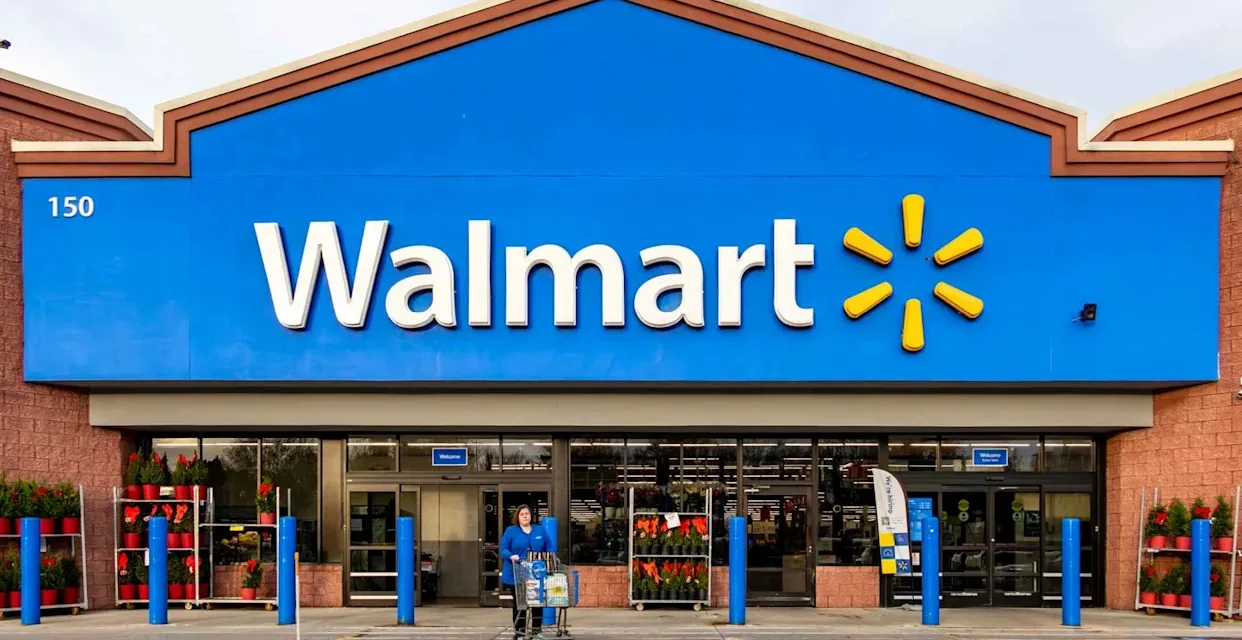
Walmart (NYSE: WMT) closed at $112.53 in the latest trading session, a decline of 1.03% that stood in stark contrast to broader market gains on the day.
The S&P 500 rose 0.38% during the same session, while the Dow Jones Industrial Average climbed 0.29% and the tech-heavy Nasdaq gained 0.62%.
The single-day decline adds to a recent stretch of underperformance, with Walmart shares shedding 6.06% in the period prior to the latest session.
That slide lagged both the Retail-Wholesale sector’s gain of 0.54% and the S&P 500’s advance of 1.61% over the same timeframe.
All eyes are now turning to Walmart’s upcoming earnings disclosure, which is scheduled for release on August 20, 2026.
Analysts expect the retail giant to post earnings per share of $0.74 for the quarter, representing an increase of 8.82% compared to the same period one year ago.
The current consensus revenue estimate for the quarter stands at $186.4 billion, which would mark a 5.07% increase from the corresponding prior-year period.
For the full fiscal year, the Zacks Consensus Estimates project earnings of $2.89 per share and total revenue of $750 billion, reflecting year-over-year changes of 9.47% and 5.17% respectively.
Walmart currently carries a Zacks Rank of #3, designated as Hold, with the consensus EPS estimate having risen by 0.11% over the past month.
The stock is trading at a forward price-to-earnings ratio of 39.36, a significant premium relative to the industry average forward P/E of 13.94.
Walmart’s PEG ratio currently sits at 4.24, well above the Retail-Supermarkets industry average PEG of 1.92 recorded at the close of the prior session.
The Retail-Supermarkets industry holds a Zacks Industry Rank of 195, placing it in the bottom 21% of more than 250 industries tracked by the firm.
That weak industry ranking adds a layer of caution for investors, given research showing top-ranked industries outperform the bottom half by a factor of two to one.
