
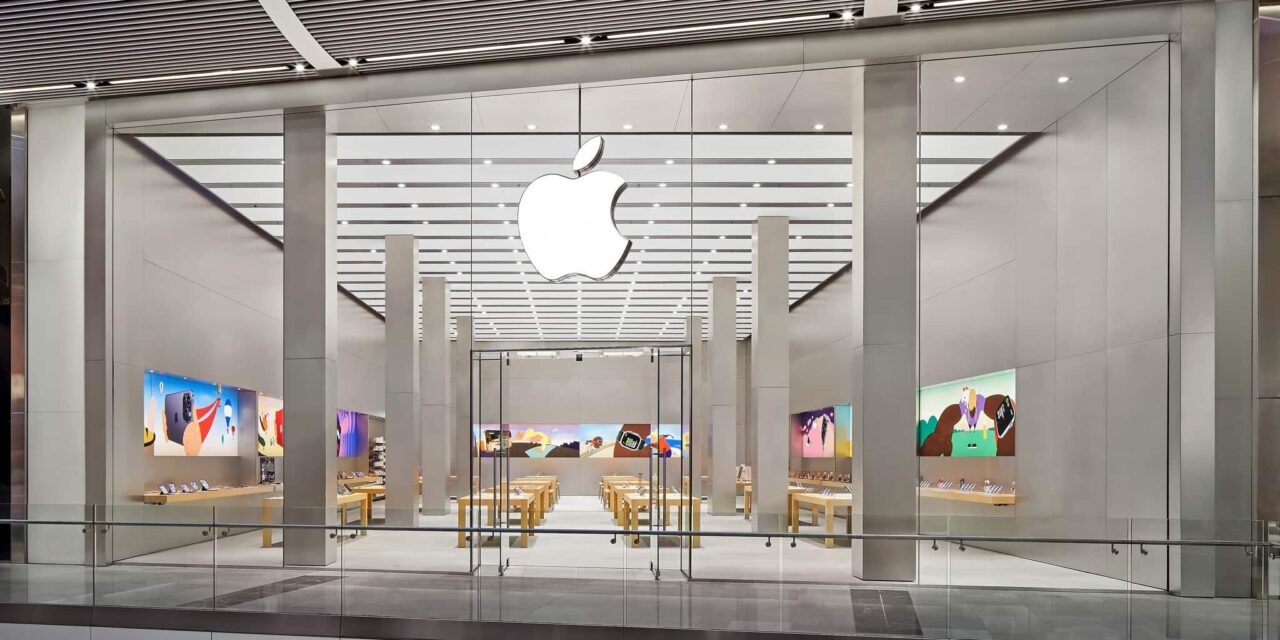
Apple (NASDAQ: AAPL), the consumer technology company behind the iPhone, Mac, iPad, and Apple Watch, has been downgraded to Underweight by KeyBanc Capital Markets.
KeyBanc assigned a $250 price target alongside the downgrade, pointing to recent spending data as evidence of softening consumer demand for Apple products.
The firm’s June tracking data showed that Apple-related spending fell 2% from May, a stark contrast to the average 9% increase recorded over the same period during the past three years.
KeyBanc analysts believe a portion of last year’s stronger demand was artificially pulled forward, as consumers rushed to purchase devices ahead of anticipated tariff-related price increases.
That earlier surge in buying activity appears to be fading, leaving Apple with a harder comparative baseline and less organic demand to draw from heading into the back half of the fiscal year.
The firm also flagged structural headwinds including higher iPhone prices, slower upgrade cycles, and a pullback in carrier subsidies as factors likely to weigh on hardware revenue growth.
Those combined pressures could make it increasingly difficult for Apple to meet the growth expectations that Wall Street has already baked into its current share price.
KeyBanc extended its cautious view to Apple’s Services segment, projecting revenue growth of approximately 7% in fiscal 2027, well below the roughly 12% growth rate that broader analyst consensus currently anticipates.
A slower-growing Services business would represent a meaningful blow to Apple’s investment case, as the segment has been central to the company’s argument that it can sustain premium earnings growth beyond hardware cycles.
Valuation remains a core concern in KeyBanc’s analysis, with Apple currently trading at approximately 35 times earnings, a multiple the firm views as difficult to justify if both hardware sales and user growth continue to decelerate.
The downgrade adds to a growing chorus of skepticism around Apple’s near-term outlook, as tariff uncertainty, consumer spending fatigue, and a maturing smartphone market converge to cloud the company’s growth trajectory.
