
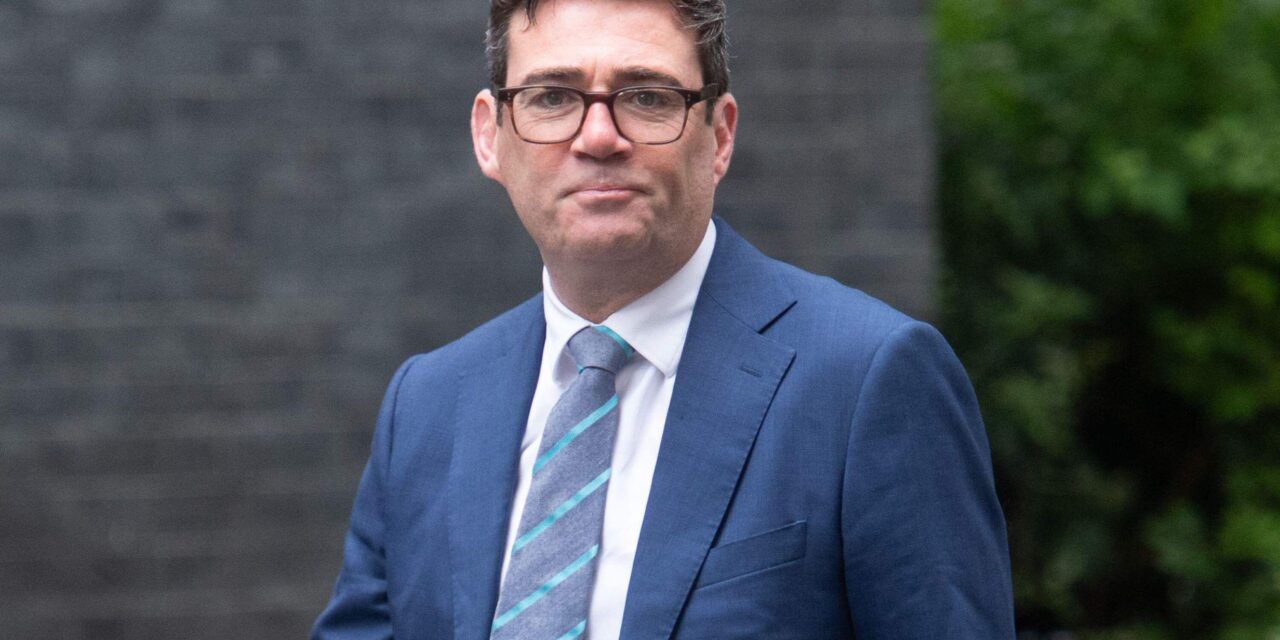
Andy Burnham appears set to become the United Kingdom’s next prime minister after rapidly securing sufficient parliamentary support to succeed Keir Starmer as Labour leader.
Burnham secured backing from enough Labour MPs within just two days to effectively end the leadership contest before any rival candidate could formally emerge.
Despite the swift show of parliamentary support, many of Burnham’s own allies remain unclear about his specific plans for government, according to a Bloomberg report published Saturday.
The former Greater Manchester mayor has outlined broad priorities, including devolving more fiscal powers to local authorities and reshaping the broader structure of national governance.
However, Burnham has offered few concrete details on how those proposals would actually be implemented once he assumes office.
Bloomberg reported that even close allies have struggled to gain meaningful insight into Burnham’s policy platform, with decisions being developed by a small inner circle of advisers.
Cabinet appointments are also expected to be announced only shortly before Burnham formally takes office, adding to the atmosphere of uncertainty surrounding the transition.
The lack of clarity has fueled concern over key economic policies, with Burnham initially hesitating before backing the government’s existing fiscal rules.
Proposals to split the Treasury were reportedly considered during the transition planning process before ultimately being dropped, further clouding the picture for financial markets.
John Stopford, head of multi-asset income at Ninety One, said markets recognize that any new government will still face significant fiscal constraints, regardless of leadership change.
Investors are expected to closely monitor whether the incoming administration maintains fiscal discipline while managing pressure from Labour lawmakers to reverse spending cuts pursued under Starmer.
Some Labour MPs have expressed concern that delaying key policy announcements and cabinet decisions could make it harder for the new administration to maintain internal party unity.
Burnham has pledged to lead a more inclusive government than his predecessor, though some lawmakers have questioned whether that promise can be delivered without greater transparency during the transition.
The combination of a leadership transition, ambiguous economic policy signals, and growing backbench unease presents an early and consequential test for Burnham’s political authority.
