
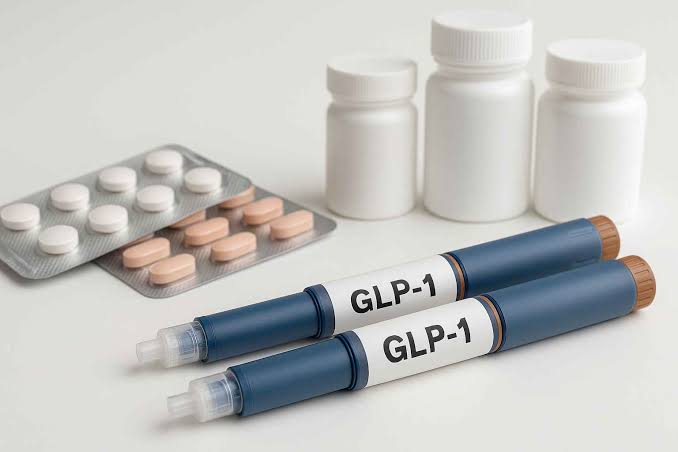
A new Gallup survey reveals that 11% of U.S. adults currently take GLP-1 medications for weight loss, a sharp rise from just 3% in 2024.
The figure climbed steadily, moving from 3% in 2024 to 8% in 2025, before reaching the current 11% recorded in the latest survey conducted in mid-2026.
Gallup also found that 15% of American adults report having used a GLP-1 medication for weight loss at some point, representing an increase of nine percentage points over the same period.
The drug class includes widely recognized brand-name prescriptions such as Ozempic, Wegovy, and Zepbound, though GLP-1 medications were originally approved in the 2000s primarily to treat type 2 diabetes.
Brand-name GLP-1 medications currently account for 68% of usage among those taking the drugs, while 19% of users rely on a compounded or custom-mixed version of the medication.
Despite the FDA raising concerns about the safety and side effects of unapproved GLP-1 formulations, one-third of GLP-1 users have already switched from brand-name drugs to compounded or custom-mixed alternatives.
Public awareness of GLP-1 medications has surged alongside their adoption, with approximately 91% of respondents in 2026 saying they knew the drugs could be used to treat weight loss, compared with 80% in 2024.
The U.S. adult obesity rate has declined to 36.4% so far in 2026, down from a record high of 39.9% in 2022, the year after Wegovy received FDA approval for weight loss treatment.
After 15 years of gradual growth, the proportion of Americans diagnosed with diabetes has stabilized since 2023, a trend Gallup describes as consistent with a reduction in obesity rates.
While a lower incidence of overweight individuals can slow the emergence of new diabetes cases, Gallup notes it does not reduce the number of people already living with the disease.
Despite the rapid growth in GLP-1 use, widespread adoption remains constrained in a country where more than 70% of adults are classified as obese or overweight.
Supply shortages that plagued the GLP-1 market in prior years have largely been resolved, but the financial burden on patients continues to limit access at a broader scale.
“Widespread adoption is still an issue, mostly due to insurance coverage and cost,” said Dr. Vadim Sherman of Houston Methodist, highlighting the central barrier preventing further uptake of the medications.
The Gallup survey was conducted online from May 28 to June 5, 2026, and included 5,065 adults residing across all 50 states and the District of Columbia.
