
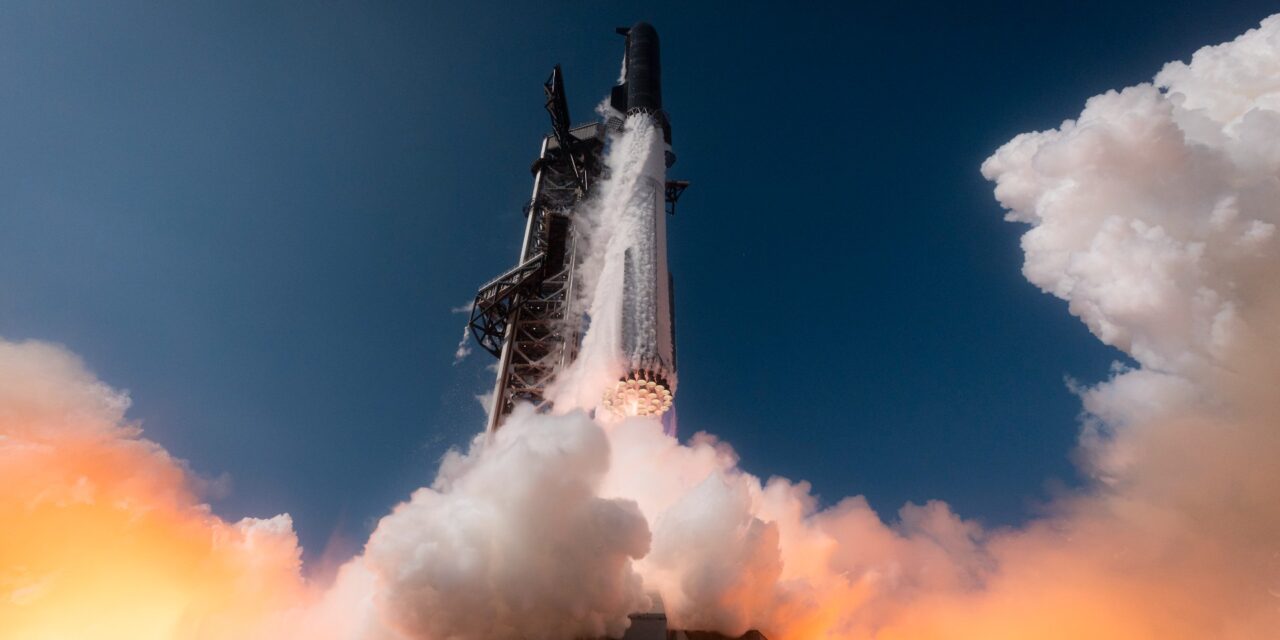
Space Exploration Technologies (NASDAQ: SPCX), better known as SpaceX, has been publicly traded for more than half a month following one of the most hyped initial public offerings in recent memory.
At SpaceX’s closing price earlier this week, a $1,000 investment would buy an investor six shares of the company, with a small amount of cash left over.
Those six shares represent a very minor ownership stake in a massive and unusually diverse enterprise that spans multiple high-growth industries simultaneously.
Despite its name, SpaceX is far more than a space company, operating a satellite broadband network, building data centers, managing a high-profile social media platform, and developing artificial intelligence models.
The company’s social media property is X, formerly known as Twitter, and its satellite network is Starlink, both of which are closely associated with founder and CEO Elon Musk.
SpaceX divides its operations into three reporting segments, with only one of them currently generating an operating profit.
The Connectivity segment, which houses the Starlink satellite network, produced nearly $11.4 billion in revenue in 2025 and an operating profit of $4.4 billion, making it the clear financial engine of the business.
The Space segment generated nearly $4.1 billion in revenue but posted an operating loss of $657 million due to heavy capital investment requirements.
The AI unit brought in $3.2 billion in revenue while absorbing an operating loss of almost $6.4 billion as it races to build next-generation data centers.
Taken together, SpaceX recorded just under $18.7 billion in total revenue in 2025, but the company’s annual net loss came in at more than $4.9 billion.
The AI division recently signed a $1.25 billion-per-month contract to supply processing power from two of its data centers to AI developer Anthropic, signaling the scale of ambition behind the unit despite its current losses.
Early-stage and capital-intensive companies routinely absorb steep losses as they invest aggressively to build scale and market presence, and SpaceX fits that profile across multiple divisions.
However, with capital expenditures expected to remain immense for the foreseeable future, investors seeking near-term returns may find the stock difficult to hold through extended periods of heavy spending.
The combination of a deep-loss AI segment, a capital-hungry space division, and an unpredictable leadership dynamic makes SpaceX a genuinely complex and high-risk portfolio consideration for the average investor.
