
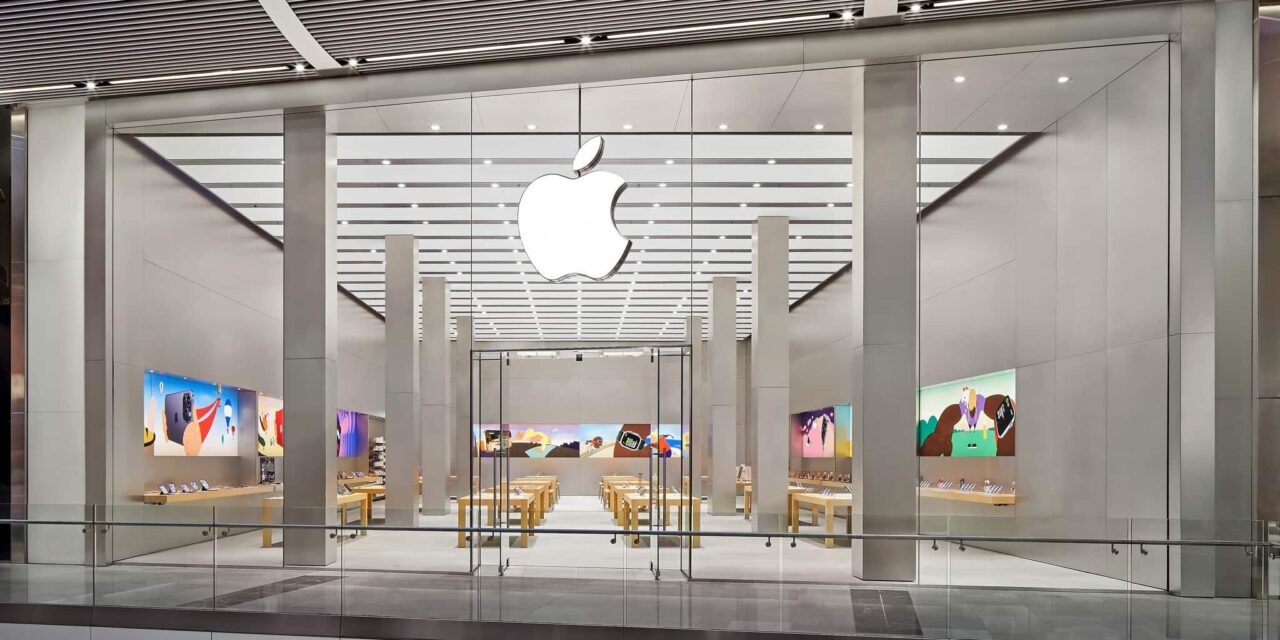
Apple (NASDAQ: AAPL) rattled Wall Street after raising prices across the majority of its hardware lineup, leaving investors to wonder whether the iPhone is next.
The company increased prices on Macs, iPads, the Apple TV, the HomePod, and the Vision Pro headset, with most products rising between $100 and $300.
Several high-end Mac configurations saw even steeper increases, pushing the total cost of Apple’s premium computing lineup to new heights.
Apple tied the price hikes directly to a shortage of memory chips, which the company attributed to surging demand from artificial intelligence data center construction.
“The rapid expansion of AI data centers has created an extraordinary surge in demand for memory and storage,” Apple said in its explanation for the pricing moves.
Investors responded poorly, sending the stock to its worst single-day performance in more than a year following the announcement.
Notably absent from the list of affected products were the iPhone, Apple Watch, and AirPods, with the iPhone’s exclusion drawing the most attention given its central role in the company’s business.
The most straightforward explanation for leaving the iPhone out is timing, as Apple is widely expected to unveil new iPhone models this September at its regular annual event.
Folding higher prices into a new product launch is considerably less disruptive than raising the cost of devices already sitting on retail shelves mid-cycle.
The iPhone also serves as the primary entry point to Apple’s broader ecosystem of services, accessories, and devices, making it the product the company is most reluctant to disturb with abrupt price changes.
Apple is navigating this pressure from a position of financial strength, having reported revenue of $111.2 billion in its fiscal second quarter ended March 28, 2026, a 17% increase year over year.
Earnings per share rose 22% to $2.01 during the same period, giving the company considerable flexibility in how it chooses to absorb or pass on rising memory costs.
With the stock trading at a price-to-earnings ratio of around 34, the valuation already depends on sustained growth, giving Apple strong incentive to protect its margins wherever possible.
At the same time, the iPhone upgrade cycle is among the company’s most valuable commercial assets, and disrupting it with an unexpected price increase carries its own set of risks.
Apple has a few months before the new iPhone lineup arrives to decide how much of the memory cost squeeze will ultimately be passed on to consumers.
