
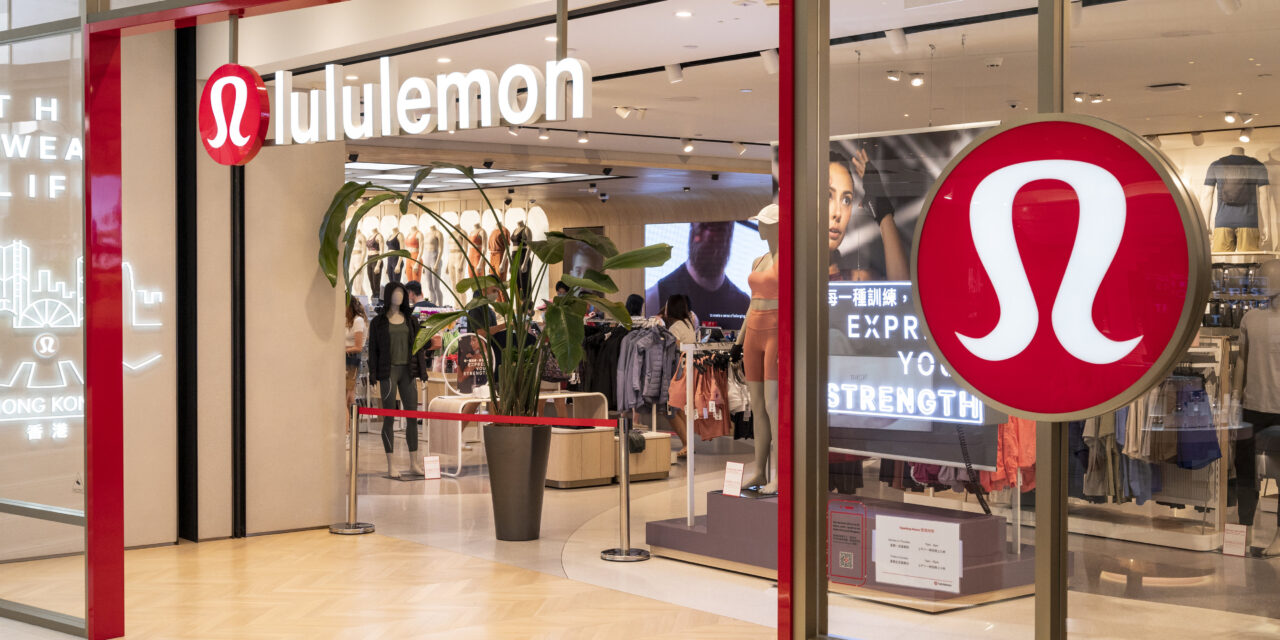
Lululemon Athletica (NASDAQ: LULU) and Nike (NYSE: NKE) both compete in the global sportswear market, but their revenue profiles tell meaningfully different stories for investors.
Nike currently generates significantly higher overall revenue than Lululemon, maintaining a commanding lead across the observed reporting periods.
Over the last eight quarters, both companies have displayed stable quarter-over-quarter patterns, with predictable and repeating cyclical peaks in their respective sales figures.
Lululemon primarily generates revenue by designing and selling athletic apparel, footwear, and accessories directly to consumers through its global network of retail locations.
The company expanded its physical footprint by opening a new retail store in Greece in May 2026, signaling continued international growth ambitions despite a challenging macroeconomic environment.
Lululemon reported an 8% net income margin for the quarter ended May 3, 2026, reflecting relatively disciplined cost management compared to its larger rival.
Nike earns its revenue by designing, marketing, and distributing athletic footwear, apparel, and equipment worldwide through specialized retail outlets, digital channels, and independent distributors.
The sportswear giant declared a quarterly cash dividend for shareholders on May 4, 2026, and reported a 5% net income margin for the quarter ended February 28, 2026.
Tracking revenue allows investors to understand how much money a business generates from core sales activities before operating expenses or taxes are deducted, making it a critical baseline metric.
For investors weighing the two stocks, Lululemon has shown more quarters with year-over-year sales growth, which is a notable point in its favor relative to Nike’s recent trajectory.
However, uncertainty clouds Lululemon’s near-term outlook, as incoming CEO Heidi O’Neill is not set to take the helm until September, leaving questions about strategic direction unanswered for now.
Nike’s most compelling advantage for income-focused investors is its dividend, which currently yields a robust 3.9% and carries a track record of 24 consecutive years of payout increases.
That dividend history positions Nike as a more attractive option for investors who prioritize steady income alongside exposure to the global athletic wear market.
Ultimately, Lululemon’s stronger recent growth momentum and Nike’s reliable dividend yield represent two distinct value propositions that will appeal to different types of investors depending on their financial priorities.
