
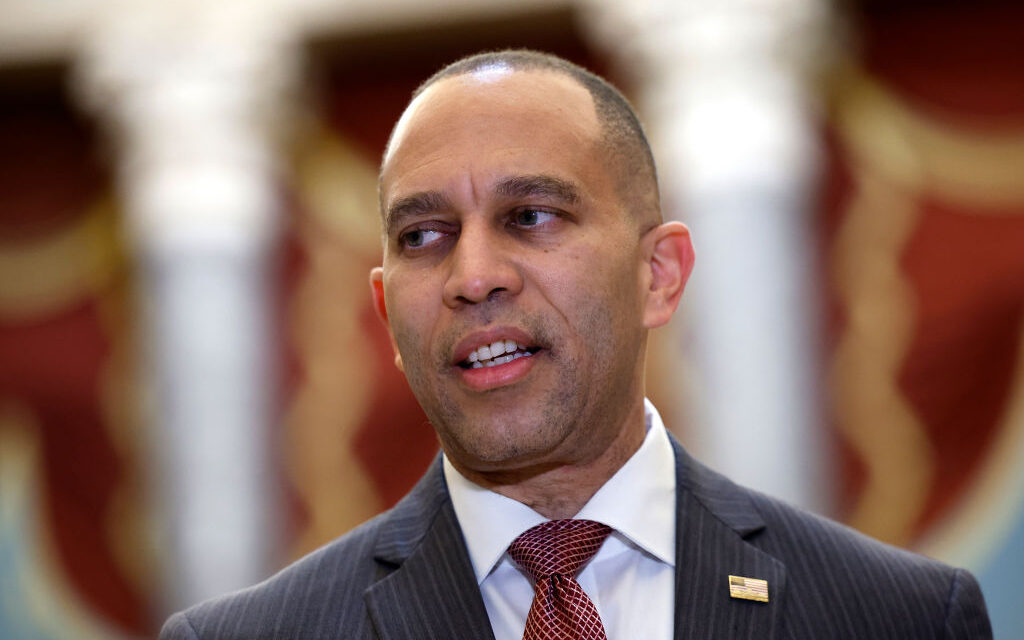
The House Democratic caucus faces a fresh wave of internal pressure as a new generation of progressive lawmakers signals its intent to push back against party leadership.
Described informally as “The Squad 2.0,” this emerging bloc of left-leaning representatives is positioning itself as an ideological counterweight to Minority Leader Hakeem Jeffries and the more centrist direction he has sought to steer the caucus.
The tension between progressive members and House Democratic leadership is not new, but the arrival of newly elected, unapologetically left-wing lawmakers has renewed debate about the party’s strategic and policy priorities.
Jeffries has worked to project caucus unity since taking over leadership from Nancy Pelosi, emphasizing electability and a pragmatic legislative approach designed to appeal to a broad coalition of voters.
Progressive members of the incoming bloc, however, are expected to resist that framing, insisting that bold, structural policy proposals are essential to energizing the Democratic base heading into future electoral cycles.
The original Squad, anchored by figures such as Alexandria Ocasio-Cortez, Ilhan Omar, Rashida Tlaib, and Ayanna Pressley, demonstrated that a small group of vocal members could command enormous media attention and shift internal party conversations.
The new cohort appears prepared to employ similar tactics, using public pressure, social media reach, and grassroots organizing to amplify their positions both inside and outside the Capitol.
For Jeffries, managing this dynamic presents a familiar but still delicate challenge, balancing the demands of the left flank against the concerns of moderate members representing competitive districts.
Democrats in swing seats have long argued that the party’s association with its most progressive voices creates vulnerability in general elections, a tension that the emergence of a new progressive bloc will likely intensify.
How the incoming members ultimately choose to coordinate, and whether they formalize their alliance into a cohesive legislative force, will be a defining question for the shape and direction of the House Democratic caucus in the current Congress.
The broader political environment, including ongoing debates over economic policy, foreign affairs, and social issues, gives the new bloc ample terrain on which to differentiate itself from party leadership and court national attention.
Whether frustration within the caucus translates into meaningful legislative friction or remains largely rhetorical will depend in large part on the size, discipline, and strategic sophistication of this new progressive coalition.
