
Rocket Lab (NASDAQ: RKLB) closed at $95.12 per share, reflecting a 25.2% gain year to date despite a sharp 29.9% pullback over the past month.
The stock has delivered very large gains over a three-year period, drawing sustained investor attention toward the commercial space launch sector.
Recent price volatility tracks broader interest in space industry themes, including launch contracts and technology milestones that can shift investor expectations rapidly.
Despite its strong multi-year performance, Rocket Lab currently scores just 0 out of 6 on a composite valuation check, signaling stretched pricing across multiple methodologies.
A Discounted Cash Flow model estimates intrinsic value by projecting future free cash flows and discounting them to present value using a required rate of return.
Rocket Lab posted a free cash flow loss of approximately $300.8 million over the latest twelve months, though analyst projections forecast that figure reaching $1,198 million by 2030.
Using a two-stage Free Cash Flow to Equity model built on those projections, the DCF analysis produces an estimated intrinsic value of approximately $72.65 per share.
With shares trading at $95.12, the stock sits roughly 30.9% above that DCF-derived estimate, placing it firmly in overvalued territory by that measure.
On a price-to-book basis, Rocket Lab trades at a P/B ratio of 24.32x, well above the Aerospace and Defense industry average of 3.65x and the peer group average of 21.18x.
The current P/B also exceeds a proprietary Fair Ratio benchmark tailored to Rocket Lab’s specific earnings growth, margins, market cap, and risk profile, reinforcing the overvalued signal.
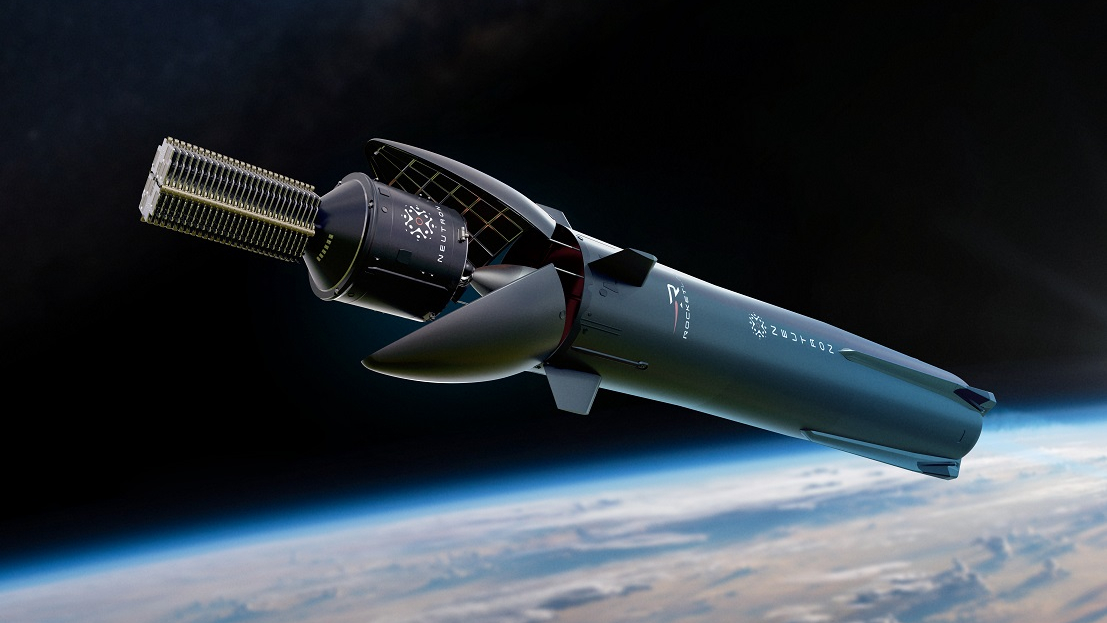
Investor views on the stock vary dramatically depending on how one frames the narrative around the company’s Neutron rocket program and its long-term positioning in the space economy.
A bull-case narrative puts fair value at $97.83 per share, assuming 55% revenue growth and a vertically integrated role across what is framed as an estimated $800 billion space “backbone.”
That same bull thesis identifies SpaceX as the primary competitor while pointing to Neutron as the key to scaling both launch volume and higher-margin Space Systems business.
A bear-case narrative, by contrast, places fair value at just $16.25 per share, implying the current price sits approximately 485% above that estimate at recent close.
The bear case assumes 30% revenue growth but warns the stock is “priced for perfection,” meaning delays, cost overruns, or an early launch failure could rapidly damage sentiment and funding.
Both narratives agree that Neutron’s execution trajectory and the timing of Space Systems margin expansion represent the most critical variables in determining the company’s long-term financial outcome.
The wide gap between a $7.31 per share floor and a $150 per share ceiling found across community-based valuation models illustrates just how much disagreement exists over Rocket Lab’s fundamental worth.
For investors weighing entry or exit decisions, the convergence of DCF and P/B overvaluation signals alongside a zero-out-of-six valuation score suggests the current price demands a high degree of execution confidence.
