
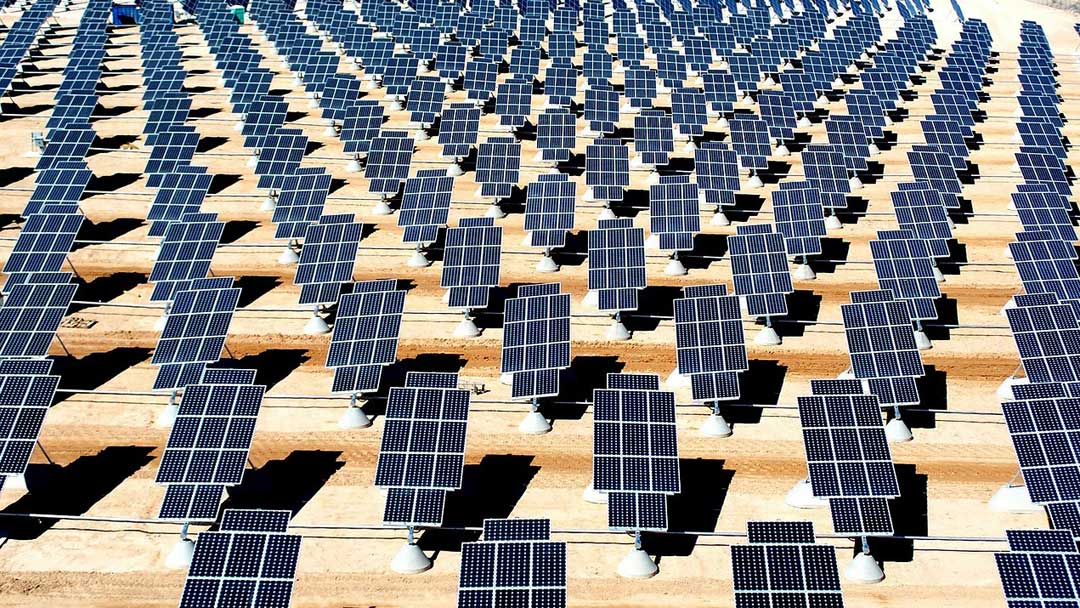
Despite solar power becoming the cheapest energy source in human history, a growing number of U.S. states are pulling back from clean energy commitments at a striking pace.
New York made headlines recently by becoming the first state to officially delay a binding climate target, pushing its 40 percent emissions reduction goal from 2030 to 2040.
The delay came just days after New York lost a lawsuit over failing to meet its original emissions deadline, raising serious questions about the enforceability of state-level climate legislation.
The retreat is not limited to New York, with rollbacks spreading across the country from California to Virginia as state officials cite high costs and an increasingly hostile federal environment under the Trump administration.
The irony is difficult to overstate, as solar energy has reached a price point no energy source in recorded human history has ever achieved, yet political momentum behind deployment is weakening in key markets.
Critics argue that states are abandoning clean energy goals precisely at the moment when the economics have never been more favorable for large-scale solar and wind development.
The political backlash in traditionally blue states is creating an unexpected opening for red states, which are quietly positioning themselves as the new centers of American clean energy growth.
Red states are benefiting from cheaper land and more permitting-friendly regulatory environments, making utility-scale solar and wind projects significantly easier and faster to build than in many blue states.
The shift represents a notable realignment in American energy policy, where the ideological origins of the clean energy push and the practical beneficiaries of that investment are increasingly diverging.
Analysts watching the sector warn that inconsistent state-level policy creates uncertainty for long-term infrastructure investment, even as the underlying cost fundamentals for solar remain historically strong.
The broader pattern suggests that political volatility and legal challenges may now pose a greater threat to clean energy deployment than the economics of the technology itself.
Whether blue states can reverse course and reclaim leadership in clean energy development, or whether red states will consolidate their emerging advantage, is set to define the next chapter of America’s energy transition.
