
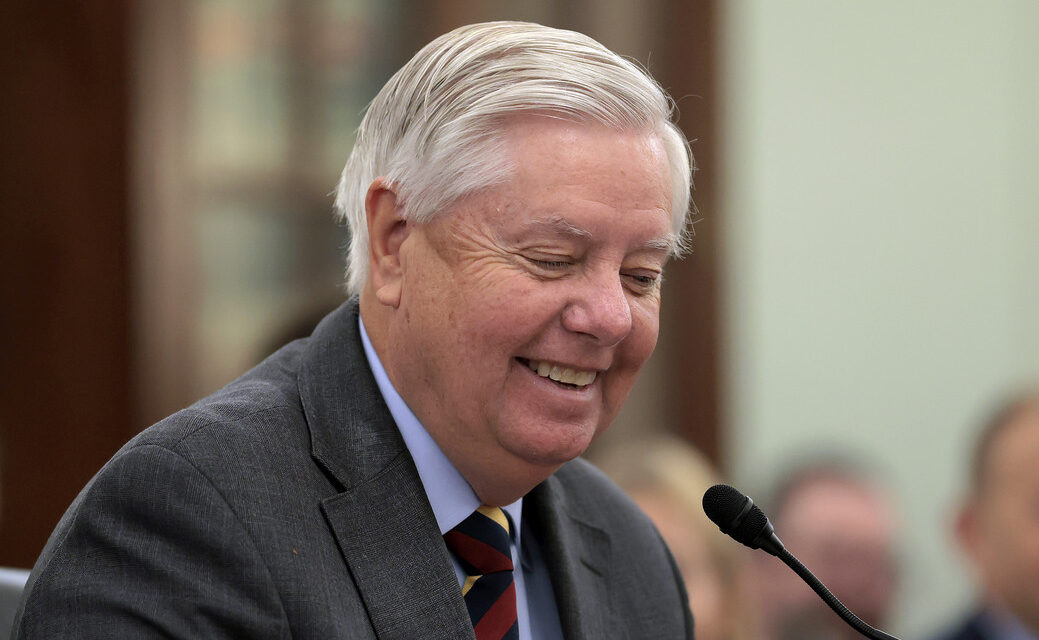
Senator Lindsey Graham has pushed back against the notion that Iran has emerged from recent geopolitical developments in a stronger position than before.
Graham argued that those who believe Iran’s regional influence has expanded are fundamentally misreading the current strategic landscape in the Middle East.
The South Carolina Republican has been a consistent voice on foreign policy matters relating to Iran, frequently warning against what he describes as wishful thinking in assessments of the regime’s capabilities.
His remarks reflect a broader debate among American policymakers and analysts over whether diplomatic engagement or military pressure has more effectively constrained Tehran’s ambitions.
Iran has long been a central point of contention in U.S. foreign policy, with disagreements spanning nuclear negotiations, proxy conflicts, and the country’s role in regional destabilization.
Graham’s position underscores a school of thought that holds Iran’s recent setbacks, whether through sanctions pressure or military losses among its proxy networks, have meaningfully weakened the regime.
Critics of this view argue that Iran has demonstrated resilience and adaptability, maintaining influence across Iraq, Yemen, Syria, and Lebanon despite sustained international pressure.
The debate carries significant implications for U.S. policy, particularly as Washington weighs its options on nuclear talks and broader strategic commitments in the region.
Graham’s use of the word “delusional” signals the intensity of disagreement among American officials over how to characterize Iran’s standing in the current global order.
The senator’s comments are likely to fuel further partisan discussion in Congress over the appropriate posture the United States should adopt toward Tehran going forward.
Policymakers on both sides of the aisle continue to wrestle with the fundamental question of whether engagement or confrontation best serves American national security interests in relation to Iran.
The coming months are expected to bring renewed scrutiny of Iran policy, as diplomatic timelines, regional flashpoints, and domestic political pressures in the United States all converge simultaneously.
