
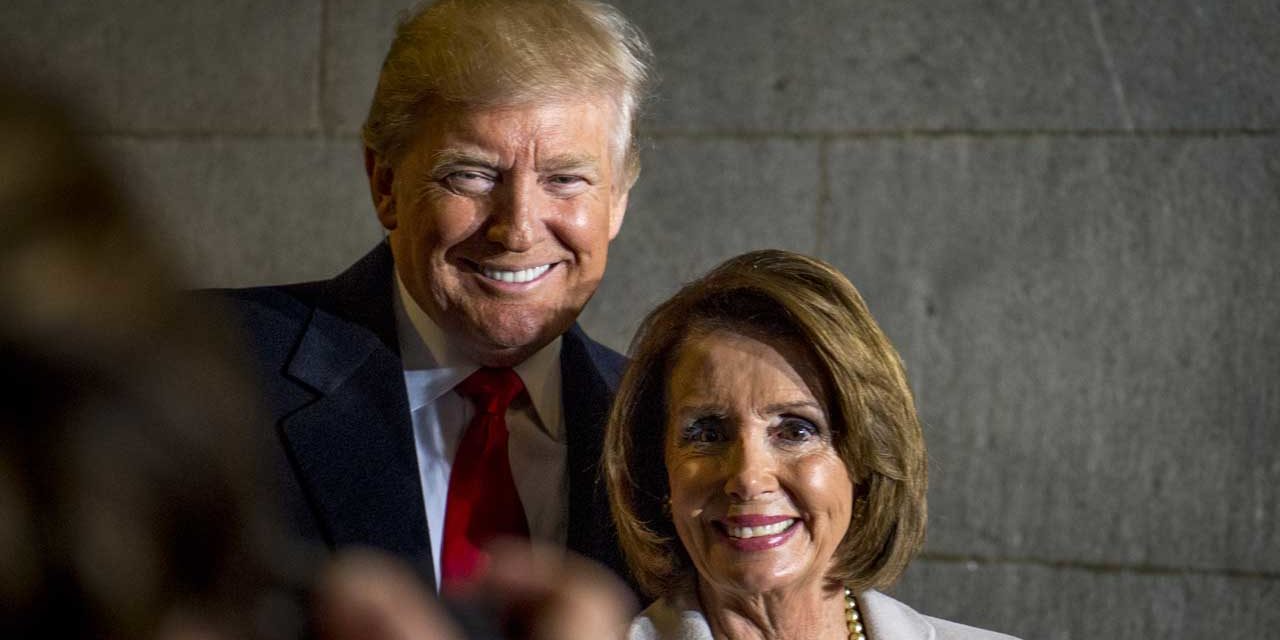
Former House Speaker Nancy Pelosi has sharply criticized the nuclear deal struck by President Donald Trump with Iran, describing the agreement as a “gift to the Iranians.”
Pelosi’s remarks represent a significant rebuke from one of the Democratic Party’s most prominent figures, pushing back against the administration’s diplomatic approach to Tehran.
The former Speaker’s characterization suggests deep concern among Democrats that the terms of the agreement are too favorable to Iran and fall short of what U.S. interests require.
Trump has framed the deal as a major diplomatic achievement, positioning it as a breakthrough that prevents Iran from developing nuclear weapons while avoiding military conflict.
Critics like Pelosi, however, argue that the agreement offers Iran substantial concessions without securing the kind of verifiable, long-term restrictions that would truly neutralize the nuclear threat.
The debate over the Iran deal reflects broader divisions in Washington over how to handle one of the most complex and consequential foreign policy challenges facing the United States.
Iran’s nuclear program has long been a flashpoint in international relations, with tensions escalating sharply after Trump withdrew the United States from the 2015 Joint Comprehensive Plan of Action during his first term.
The Biden administration had attempted to revive that earlier framework but ultimately failed to secure a new agreement, leaving the nuclear issue unresolved heading into Trump’s return to the White House.
Any new deal with Iran will face intense scrutiny from Congress, where both Republicans and Democrats have expressed skepticism about whether Tehran can be trusted to honor its commitments.
Pelosi’s “gift to the Iranians” framing is likely to become a rallying point for opponents of the agreement, adding political pressure on the Trump administration to defend and clarify the deal’s specific terms and enforcement mechanisms.
The administration has not yet responded publicly to Pelosi’s criticism, and it remains unclear how the deal will be structured for congressional review or whether it will require formal ratification.

