
SpaceX (NASDAQ: SPCX) has drawn comparisons to meme stocks following a record-setting IPO that pushed its market capitalization from $1.8 trillion to over $2.7 trillion within days of trading.
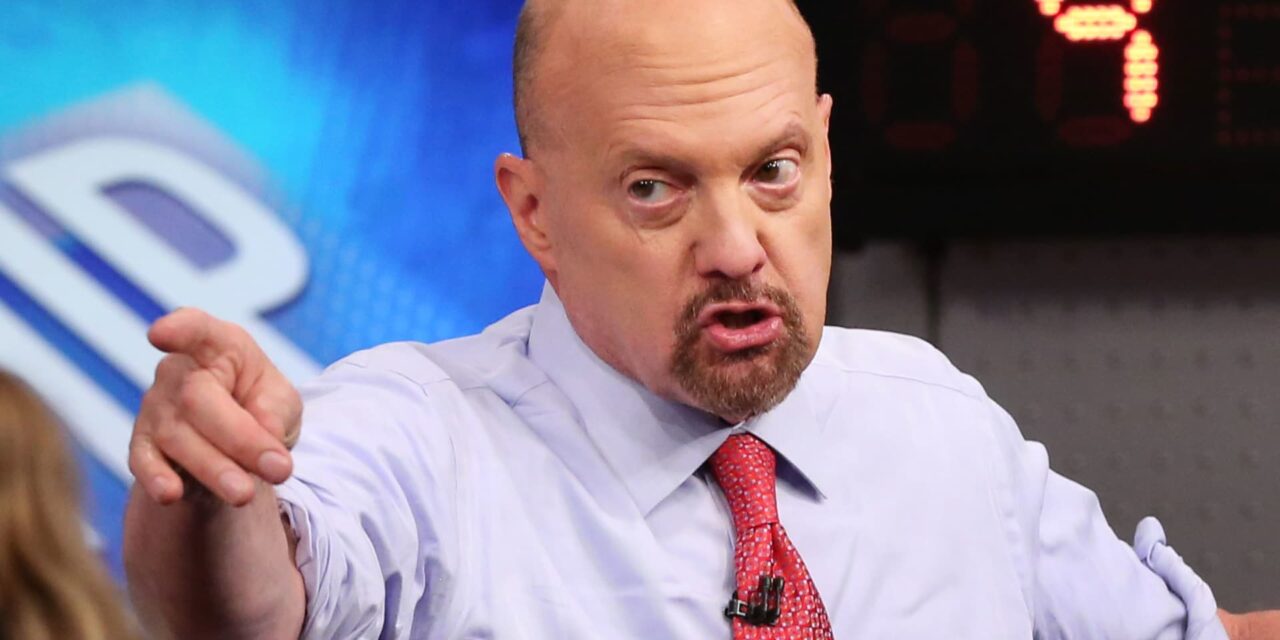
CNBC’s Jim Cramer argued that SpaceX has become a “meme stock,” an assessment that fundamentally misreads what the company is and what it is building.
A meme stock is typically characterized by social media-driven buying, valuations disconnected from business performance, and price movements fueled by momentum rather than fundamentals.
GameStop (NASDAQ: GME) became the defining example in 2021, when traders on Reddit’s WallStreetBets coordinated buying activity that pushed shares far beyond what the company’s earnings could justify.
SpaceX rose more than 19% on each of its first two days as a public company, generating enormous excitement, but enthusiasm alone does not make something a meme stock.
The critical distinction is that SpaceX is not a single-product company with a struggling business model scrambling for relevance in a declining market.
Investors buying SpaceX are gaining exposure to launch services, Starlink satellite broadband, defense and national security contracts, artificial intelligence infrastructure, robotics, advanced manufacturing, and long-term space exploration projects.
Few companies hold genuine leadership positions across so many rapidly expanding industries simultaneously, which separates SpaceX from the meme-stock category at a fundamental level.
Management’s approach also sets SpaceX apart from the short-term attention cycles that define meme-driven trading activity.
SpaceX President Gwynne Shotwell has repeatedly emphasized the company operates on a much longer time horizon, focusing on projects that may take years to generate meaningful financial returns.
That long-term mindset was reinforced this morning when SpaceX announced it was acquiring Cursor for $60 billion, signaling a willingness to deploy capital aggressively toward future competitive advantages rather than near-term earnings results.
Meme stocks rely on sustained public attention to maintain their price levels, whereas SpaceX is spending capital to build durable technology platforms and infrastructure that extend well beyond any social media cycle.
Cramer is correct on one narrow point: a company that gains nearly $900 billion in market capitalization within days deserves careful scrutiny from investors weighing valuation risk.
Valuation risk and meme-stock status are not the same thing, and conflating the two leads to a fundamentally misleading characterization of what SpaceX represents in public markets.
SpaceX may be expensive relative to its current earnings, and the stock could experience a sharp correction as investors reassess the premium being priced into its future growth trajectory.
Regardless, confusing enthusiasm for a genuine frontier industrial company with a Reddit-fueled trading phenomenon does investors a serious disservice when trying to understand the risk they are taking on.
SpaceX may be volatile, and it may be priced ahead of intrinsic value today, but it is one of the most ambitious industrial and technology companies ever brought to public markets, not a meme stock.
