
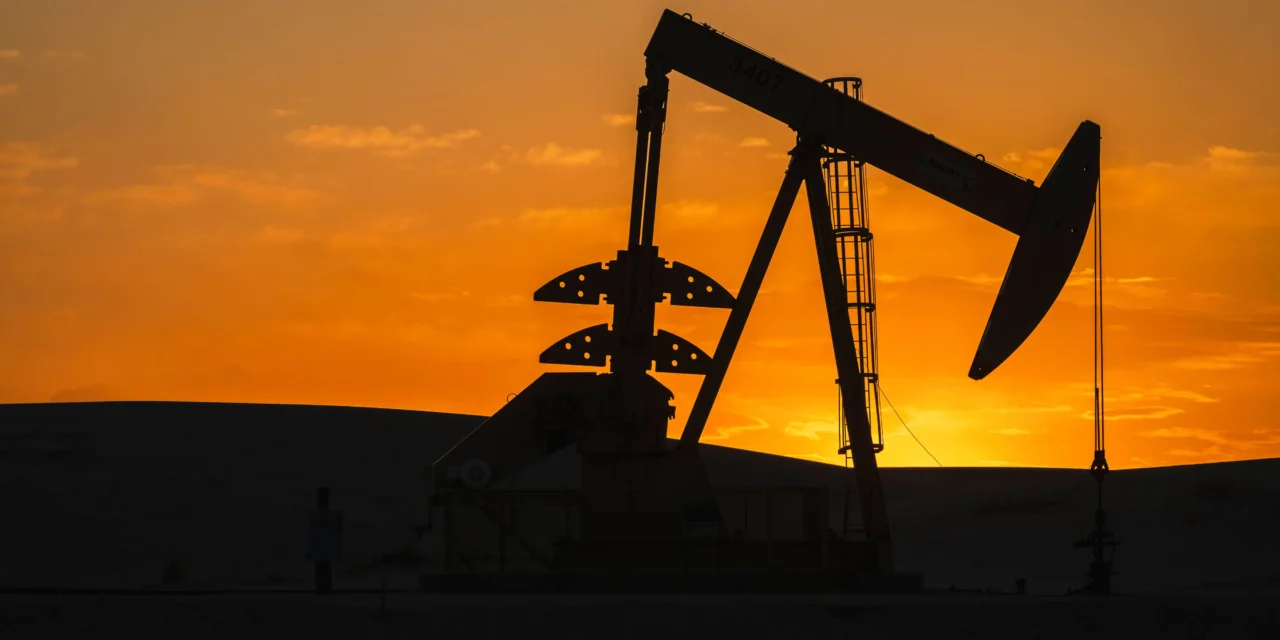
Oil futures (CL=F, BZ=F) have dropped below $80 per barrel following reports of a peace deal between the United States and Iran, though prices remain elevated above pre-war levels.
The anticipated reopening of the Strait of Hormuz is the central driver of the price decline, with markets pricing in a resolution that could restore normal shipping flows through the critical waterway.
Yahoo Finance Senior Reporter Brooke DiPalma noted that if the deal is signed, “the Strait of Hormuz could start reopening by the end of this week.”
Goldman Sachs has weighed in with revised assumptions, stating the bank now expects oil to resume flowing normally through the Strait of Hormuz by the end of July.
Goldman Sachs has also cut its fourth-quarter Brent crude forecast to $80 per barrel, while its WTI outlook has been trimmed to $75 per barrel, reflecting expectations of a meaningful price decline ahead.
US stocks remain mixed as investors continue to digest the implications of the reported ceasefire, with broader market sentiment shaped partly by the prospect of lower energy costs feeding through the economy.
DiPalma described the energy development as a significant tailwind for broader markets, noting it is occurring alongside renewed enthusiasm in semiconductor stocks, with names like Micron (NASDAQ: MU) and SanDisk (NASDAQ: SNDK) recently trading at all-time highs.
The Federal Reserve may also take note, with DiPalma suggesting policymakers could interpret the recent energy price spike as a temporary shock rather than a persistent inflationary pressure.
For American consumers, the relief at the gas pump is meaningful, as households have been spending significantly more on fuel over the past three months, a burden that has weighed heavily on consumer sentiment.
Consumer sentiment did show a slight improvement, though that data was largely overshadowed in the news cycle, making the energy price retreat all the more significant as a quiet positive for household finances.
Inflation continuing to outpace wage growth remains a concern, particularly for low and middle-income consumers, with Bank of America data suggesting those groups have seen their spending capacity eroded in recent months.
High-income earners have remained more insulated, as their wage growth has kept pace with or exceeded inflation, creating a bifurcated consumer landscape that analysts are watching closely.
With consumers accounting for more than half of US economic output, the trajectory of energy prices carries outsized importance, particularly as major retail events including Amazon Prime Day approach and retailers like Walmart (NYSE: WMT) and Target (NYSE: TGT) prepare their own promotional sale periods.
The ability of those retail events to succeed hinges largely on whether consumers feel they have sufficient financial breathing room to spend, making the resolution of the Iran conflict a potentially pivotal moment for the US economy’s near-term outlook.
