
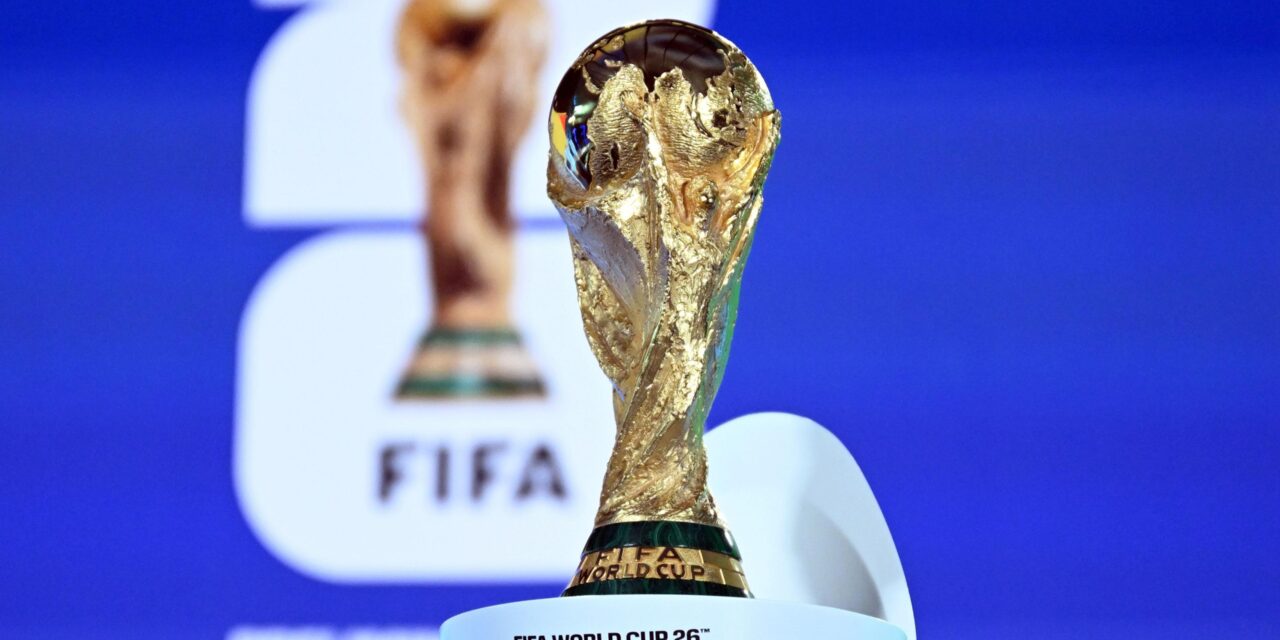
Philadelphia is positioning itself as the most fan-friendly city of the 2026 FIFA World Cup, offering some of the lowest transportation costs among all American host cities.
Soccer fans attending matches in Philadelphia will pay just $2.90 to ride the Broad Street Line to and from Lincoln Financial Field, where World Cup games are being held.
The Broad Street Line is offering free rides from NRG Station in South Philadelphia beginning at halftime on game days, with trains departing every ten minutes or less.
Free rides remain available for up to two hours following the end of each match, giving fans a generous window to exit the stadium and board without paying.
A partnership with World Cup sponsor Airbnb made the discounted transit offer possible, covering any Broad Street Line journey from halftime until two hours after full-time from NRG Station.
Philadelphia’s fare structure stands in sharp contrast to neighboring host cities, where transportation costs are significantly steeper for fans traveling to stadiums.
Train fares from Boston to Gillette Stadium in Foxboro are expected to cost $80, with bus fares running $95, placing a considerable burden on fans attending matches there.
NJ Transit announced that transportation from New York’s Pennsylvania Station to MetLife Stadium in New Jersey will cost $150 by train and $80 for a shuttle bus.
Beyond transit, Philadelphia is also offering 39 consecutive days of free fan festivals at Lemon Hill in East Fairmount Park, covering more than one million square feet of space.
The free FIFA Fan Festival features live music, food, vendors, large screens broadcasting World Cup matches, and designated areas where fans can play soccer themselves.
Organizers expect approximately 15,000 attendees per day at the festival, which began on June 11 and runs throughout the duration of the tournament.
Meg Kane, CEO of Philadelphia Soccer 2026, emphasized the cultural significance of the Broad Street Line, saying: “When we think about the authentic Philadelphia experience, the Broad Street Line is very essential to the way in which we experience sports and our fandom in Philadelphia.”
Philadelphia’s approach comes amid broader concerns surrounding affordability, visa issues, security worries tied to the Trump administration’s immigration policies, and questions about whether host cities will see sufficient financial returns.
Against that difficult backdrop, Philadelphia has emerged as a relative bright spot, offering fans meaningful cost relief even as ticket prices themselves remain in the hundreds of dollars.
