
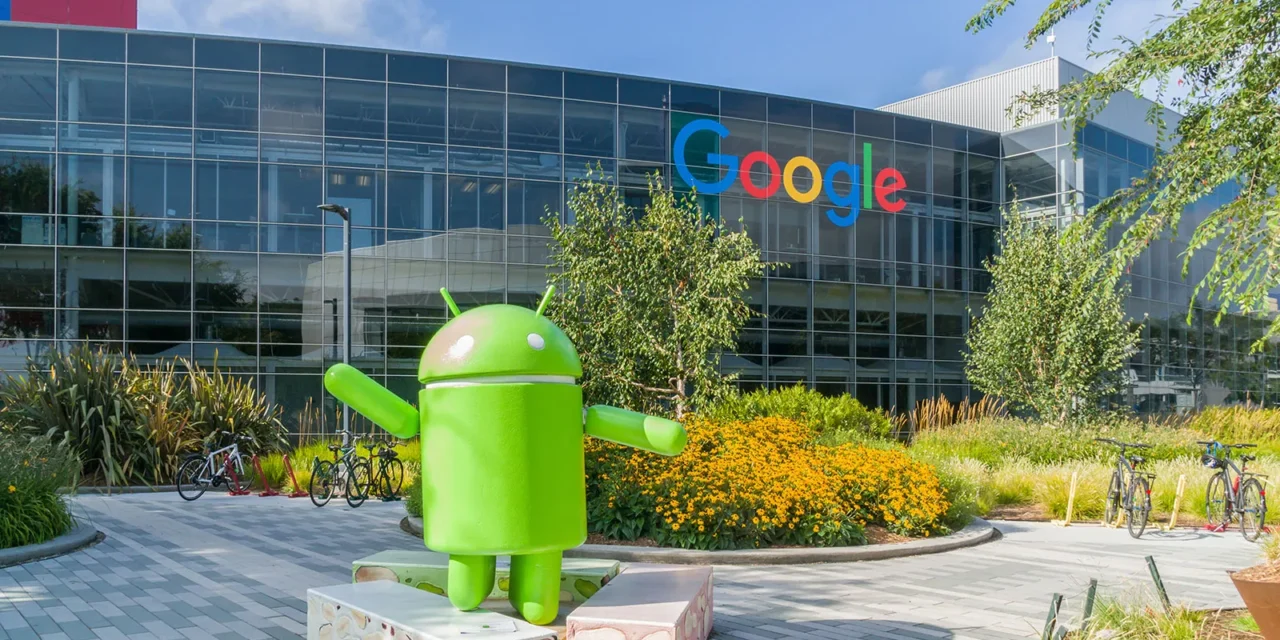
Alphabet (NASDAQ: GOOGL) sits at a compelling crossroads, balancing powerful AI-driven momentum against legitimate concerns over the scale of its ongoing capital expenditure cycle.
The core investment argument rests on a market re-rating of Alphabet from a mature digital advertising business to a diversified, vertically integrated AI leader with durable growth ahead.
Google Cloud revenue growth accelerated to 63.4% year-over-year in Q1 2026, a figure that signals the division is capturing significant enterprise AI workloads at an extraordinary pace.
Operating margins in Google Cloud expanded dramatically, rising from 17.8% to 32.9% year-over-year in Q1 2026, demonstrating that growth is being achieved without sacrificing profitability.
Perhaps most striking is the Google Cloud backlog, which nearly doubled sequentially to $462 billion in Q1 2026, providing unusually high forward revenue visibility for investors.
On a company-wide basis, Alphabet’s fundamentals compare favorably against S&P 500 medians, with a last-twelve-months operating margin of 32.7% against a sector median of just 18.4%.
The company’s three-year average operating cash flow margin stands at 37.3%, more than double the S&P median of 20.1%, while its debt-to-equity ratio of 2.1% compares exceptionally well against a median of 21.5%.
Revenue growth of 17.5% over the last twelve months also significantly outpaces the S&P median of 7.4%, reinforcing the argument that Alphabet is still growing at a pace well above its peers.
The central debate among investors, however, is whether the company’s planned capital expenditure of $180 to $190 billion for fiscal year 2026 will compress near-term free cash flow in ways that offset these operational strengths.
Bears warn that this spending will trigger a depreciation wave, squeezing margins and free cash flow, a concern the market has already signaled through negative stock reactions to recent guidance.
Bulls counter that explosive Cloud growth, expanding margins, and a $462 billion backlog confirm Alphabet is successfully converting that capital investment into measurable market share gains in enterprise AI.
The prevailing market sentiment is described as a stalemate, with explosive Cloud growth and a widening competitive moat being fully offset by fears over the capex cycle’s near-term impact on cash generation.
For investors considering broader exposure, stocks such as NVIDIA (NASDAQ: NVDA), Apple (NASDAQ: AAPL), and Amazon.com (NASDAQ: AMZN) share similar characteristics of high operating margins, low-debt capital structures, and strong momentum.
A portfolio built from stocks meeting those criteria, starting December 31, 2016, would have generated average twelve-month forward returns of nearly 15%, with a twelve-month win rate of approximately 60%.
Concentration risk remains a real threat for those betting solely on GOOGL, as a sudden 20% drawdown in a high-momentum stock routinely forces investors out of positions before long-term gains can materialize.
Diversification across a basket of quality stocks remains one of the most reliable strategies for staying invested through volatile market phases without being forced into premature exits driven by short-term price swings.
