
Apple Inc. (NASDAQ: AAPL) held its annual Worldwide Developers Conference this month, and the headline announcement was a long-awaited upgrade to its Siri digital assistant.
The company unveiled Siri AI, describing it as a “profoundly more intelligent, knowledgeable, and capable Siri” capable of answering questions about on-screen content, searching across apps, and pulling real-time information from websites.
Investors and analysts had been waiting for Apple to make a credible move into artificial intelligence, given that the original Siri has fallen well behind the capabilities of modern generative AI chatbots.
Despite the anticipation, the announcement failed to impress markets, with Apple shares falling more than 5% for the week following the conference.
The rollout also came with significant geographic restrictions, as users in the European Union and China will not have access to Siri AI when it launches this fall.
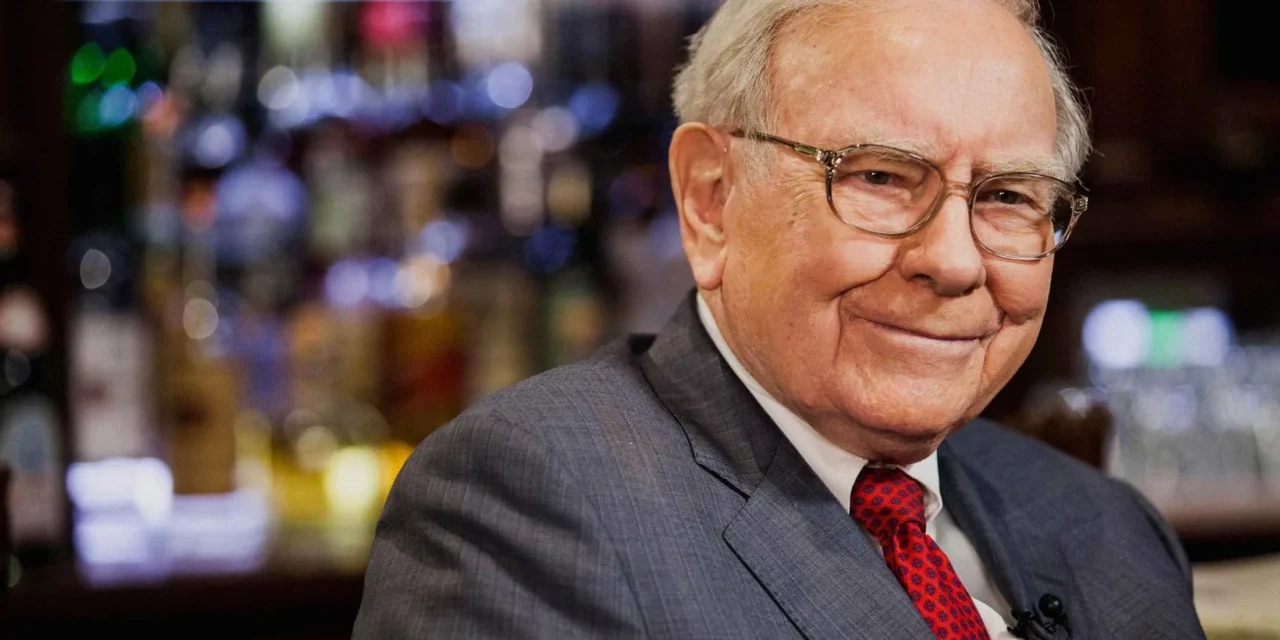
The underwhelming reception reopens the question of whether Warren Buffett was right to aggressively sell down Berkshire Hathaway’s (NYSE: BRK.B) Apple position beginning in mid-2023.
Apple stock has climbed roughly 50% since Berkshire began selling, and had Buffett held the entire stake, the position would be worth approximately $267.34 billion today, representing a gain of nearly $90 billion.
Buffett himself acknowledged in April that he believes he sold Apple stock “too soon,” and separately said, “I’m very happy to have it be our largest holding,” adding, “I was not happy to have it be as large as almost everything else combined.”
That concentration risk is central to the argument that the sales were strategically sound, regardless of the subsequent price appreciation that left gains unrealized.
Selling Apple allowed Berkshire to redeploy capital elsewhere, including opening a large position in Alphabet, purchasing $20 billion in shares and agreeing to buy an additional $10 billion through a private placement.
Buffett and Berkshire’s incoming chief executive Greg Abel have consistently emphasized the importance of portfolio diversification and avoiding dangerous over-exposure to any single company.
The muted market reaction to WWDC underscores the very risks that made Apple such a concentrated bet, with a single product cycle or strategic stumble capable of inflicting severe damage on an overly concentrated portfolio.
For a holding company of Berkshire’s scale and responsibility, the discipline to reduce a winning position before conditions change is a core part of sound capital management, not a mistake to be judged purely on subsequent price movement.
