
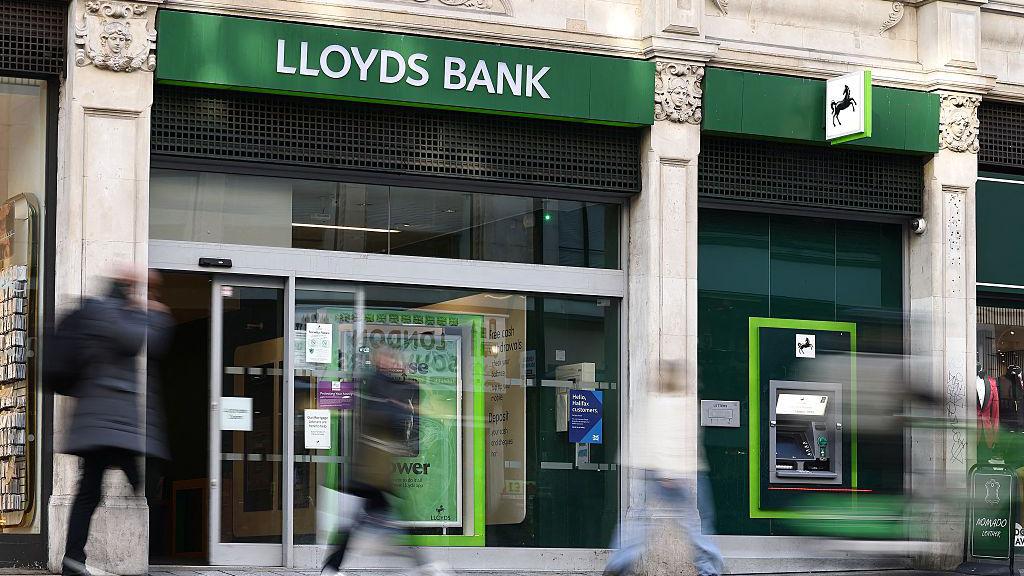
Lloyds Banking Group (LSE: LLOY) has attracted fresh attention from investors after notable share price movements, with the bank now carrying a market valuation of approximately £56.99 billion and trading near £0.98 per share.
Short-term price action has shown a slight pullback, with the stock hovering around £0.9818, though the picture over longer timeframes tells a more compelling story for patient investors.
The bank’s one-year total shareholder return of 34.98% stands out as a strong indicator that momentum has been broadly positive, with three-year and five-year returns reinforcing that trend as investors reassess growth prospects and risk.
At its current trading price, Lloyds sits below a narrative fair value estimate of £1.13, a gap that has become central to the debate over whether this is a genuinely undervalued banking stock or one where the market has already priced in future growth.
The case for undervaluation rests partly on Lloyds’ ongoing digital transformation, including the expansion of mobile-first services to 21 million users and the rollout of a new digital remortgage journey designed to streamline customer experience.
The bank has also been leveraging artificial intelligence innovation to drive operating cost reductions, a development that analysts argue could support sustained long-term margin expansion and higher earnings going forward.
A discounted cash flow analysis places Lloyds at approximately 50.6% below its estimated future cash flow value, a figure that, on the surface, implies significant upside if those projections prove accurate.
However, the picture becomes more complicated when examining the bank’s current price-to-earnings ratio of 12.4x, which sits above the European banks sector average of 11.3x and above a calculated fair ratio of 9.9x.
That premium valuation relative to peers raises an important question for prospective investors: whether the projected cash flow upside is sufficient to justify paying more than competitors are currently commanding in the market.
Key risks to the bull case include the health of the broader UK economy, which remains a significant variable, alongside competitive pressure from fintech platforms and digital challengers continuing to erode traditional banking margins and customer loyalty.
The valuation debate around Lloyds ultimately presents mixed signals, with the DCF model pointing toward meaningful upside while the earnings multiple suggests the market may already be factoring in a degree of optimism that warrants careful scrutiny before committing capital.
