
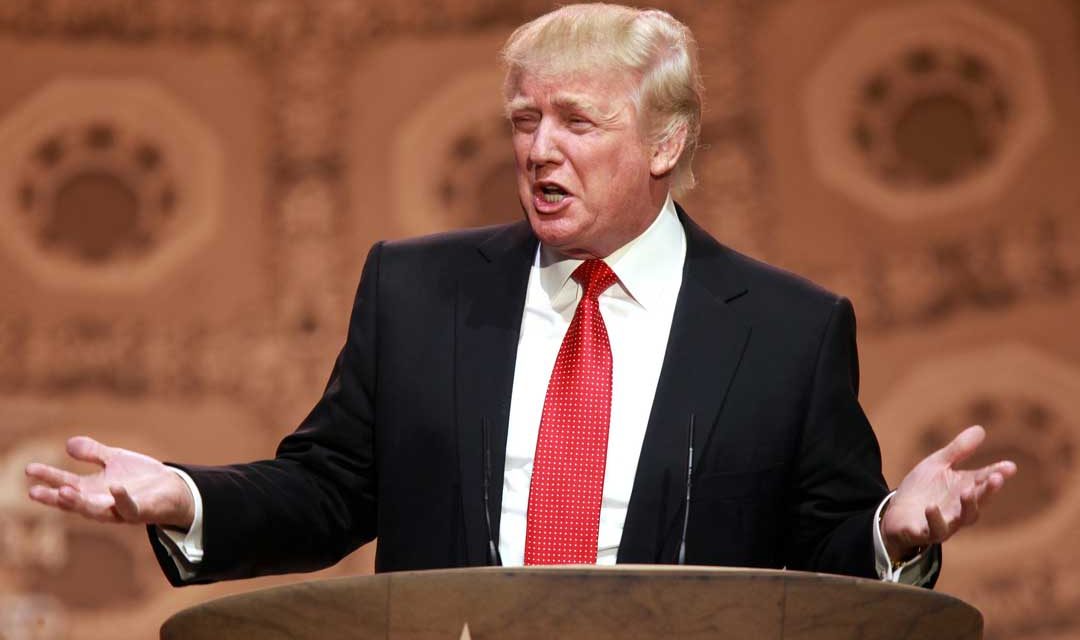
Republican backing for President Donald Trump has dropped sharply to 44%, according to a new poll of 1,032 Republican voters conducted by Congress.net — a significant slide from the 57% approval recorded in a prior Congress.net survey last month.
The 13-point collapse in just over three weeks underscores the speed at which economic frustration is eroding the president’s base.
The retreat in GOP support mirrors a broader deterioration in Trump’s national standing. A Reuters/Ipsos survey of 4,531 US adults, conducted between 3 and 8 June, placed his overall job approval at 35% — just one point clear of the 34% readings from April and mid-May, which represented the weakest performances of his second term.
That figure is now edging dangerously close to his all-time low of 33%, recorded during December 2017.
Driving much of the discontent is the Iran conflict, which began on 28 February and set off a chain of economic consequences that continue to reverberate across American households.
The war triggered a closure of the Strait of Hormuz, one of the world’s most critical oil transit chokepoints, sending fuel prices surging. Before the conflict, a gallon of gasoline averaged below $3 nationally. As of Monday, that figure stood at $4.24, a steep increase, despite a modest 18-cent drop over the previous week, the first decline since hostilities began, per data from AAA.
That slight easing at the pump has done little to lift consumer confidence. Nearly 60% of respondents in the Reuters/Ipsos poll said they expect gas prices to climb further over the coming year.
Only 17% anticipated any improvement, with the remainder either uncertain or expecting prices to hold steady. The persistence of that pessimism reflects how deeply the conflict has shaped economic expectations — seasonal summer demand typically pushes fuel costs higher anyway, and analysts warn that ongoing uncertainty over when the Strait of Hormuz will reopen could keep oil prices elevated well into the warmer months regardless of any near-term diplomatic progress.
Peace talks between Washington and Tehran are continuing, but no resolution appears imminent. The White House has sought to frame the elevated energy costs as a temporary wartime consequence, with the administration suggesting the situation will normalise once a deal is signed.
As a short-term measure to address voter frustration, Trump has proposed suspending federal gasoline taxes — a move that would offer limited relief but could carry symbolic weight ahead of the 2026 midterms.
The political cost of the conflict has been compounded by a public relations misstep in May, when Trump told reporters he gives no thought — “not even a little bit” — to the financial pressures facing ordinary Americans, quickly adding that his singular focus was preventing Iran from acquiring nuclear weapons. The comments drew immediate backlash and crystallised concerns among voters already anxious about household budgets.
With midterm elections approaching, the political arithmetic is growing uncomfortable for the Republican Party.
Voters consistently rank affordability as a top concern, and gasoline prices function as one of the most visible economic barometers in American life — felt daily, impossible to ignore. For a president already operating near historic approval lows, the combination of a costly foreign conflict, fuel prices double their pre-war level, and a base that appears to be losing patience is a difficult set of headwinds to reverse.
The administration’s hope rests on a swift diplomatic resolution to the Iran conflict. Until the Strait reopens and oil markets stabilize, the economic pressure on consumers, and the political pressure on Trump, is unlikely to ease meaningfully.
