
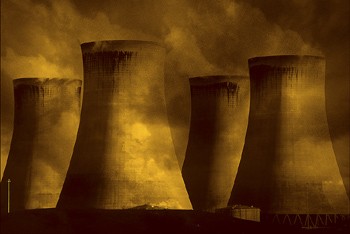
Japan plans to rebuild between two and five aging nuclear reactors by the 2040s, with as many as 11 to 14 additional units targeted for replacement by the 2050s.
The proposal is set to be outlined by Japan’s Ministry of Economy, Trade and Industry at a dedicated nuclear policy meeting, signaling a decisive pivot toward atomic energy.
Public broadcaster NHK reported the plans reflect government ambitions to secure a stable domestic power supply and reduce dependence on costly imported fuel.
Japan shut down all 54 of its operating nuclear reactors following the 2011 Fukushima nuclear disaster, driven by widespread public concern over safety standards across the industry.
Of the 33 units that remain operable following post-Fukushima assessments, only 15 have so far been successfully restarted and returned to active power generation.
Many of Japan’s remaining reactors are now approaching or exceeding their 60-year operational lifespans, raising serious concerns about a future decline in the country’s overall nuclear capacity.
The urgency of the rebuilding plan is compounded by the reality that restarting idled plants alone will not be sufficient to sustain long-term nuclear output at the levels the government requires.
Tokyo last year revised its basic energy policy to explicitly maximize the use of nuclear power, removing previous language that had signaled a move away from atomic energy.
Japan’s Cabinet approved the revised Seventh Strategic Energy Plan, which set a formal target of generating 20 percent of the country’s electricity from nuclear sources by 2040.
The broader strategic drivers behind Japan’s nuclear revival mirror trends seen across many Western nations, including the need to meet rising electricity demand from AI data centers and industrial growth.
Japan is also aligning its nuclear expansion with its stated goal of achieving carbon neutrality by 2050, with nuclear power viewed as a critical low-emission baseload energy source.
The scale and speed of the proposed reactor replacement program will test both Japan’s regulatory frameworks and its ability to rebuild public confidence in nuclear energy more than a decade after Fukushima.
