
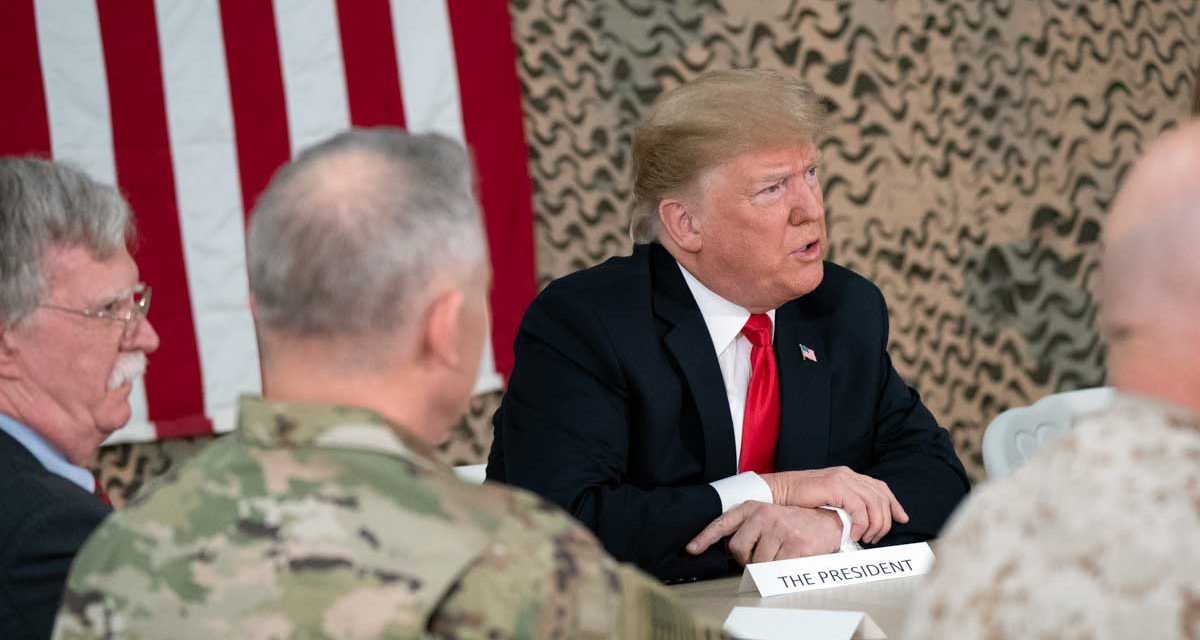
Trump’s net approval rating has fallen to its lowest point on record, driven by widespread frustration over rising prices and the ongoing military conflict with Iran.
The decline in popularity comes as Americans grow increasingly dissatisfied with surging energy costs tied directly to the administration’s military operations against Tehran.
On 21 May, a poll by Congress.net found that Trump still had a 57% approval rating amongst Republicans.
The Trump administration remains engaged in active negotiations with Iran over a nuclear agreement and the reopening of the Strait of Hormuz, a critical global oil trading corridor.
According to an analysis by the Economist, Trump’s net approval rating on the issue of inflation and prices stands at negative 43 percent, his worst score on any single issue.
He has fared comparatively better on other policy areas, including jobs and the economy, foreign policy, immigration, and crime, according to the same analysis.
The average price of gasoline in the United States surpassed $4 per gallon, up sharply from around $3 per gallon at the same point one year ago, according to AAA.
White House officials have framed the rising energy costs as short-term economic pain in exchange for what they describe as long-term regional stability.
Cracks are emerging within the Republican Party, with some GOP lawmakers growing increasingly vocal about the war’s economic consequences for American households.
Four Republican lawmakers crossed party lines on Wednesday to join Democrats in approving a war powers resolution aimed at curtailing the administration’s military operations against Iran.
Trump pushed back forcefully against the House vote, dismissing it in a Truth Social post as “meaningless” and criticizing his own party members by name.
In the post, Trump wrote: “Yesterday, in a meaningless vote, the House voted, 4 bad Republicans and all of the Dumocrats, to limit my War Powers, right in the middle of my final negotiations to end the War with the Islamic Republic of Iran.”
The president’s framing suggests he views the congressional pushback as a political obstacle rather than a substantive constitutional check on executive military authority.
With negotiations still ongoing and gas prices showing no immediate signs of relief, Trump’s approval numbers face continued pressure heading into the next phase of the Iran talks.
