
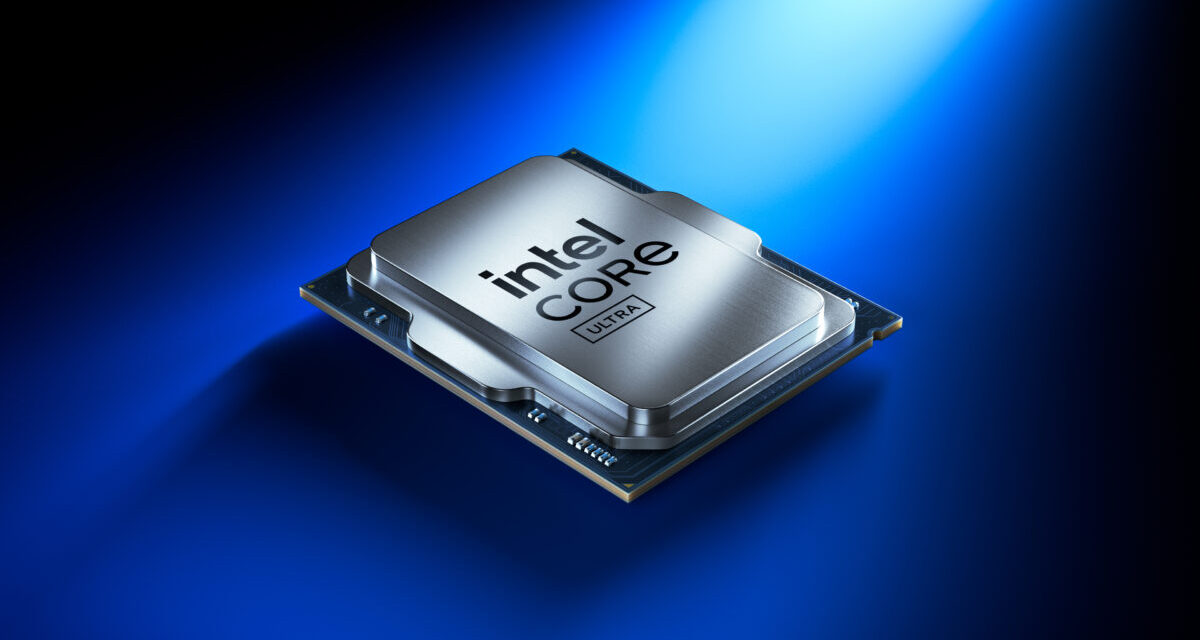
Intel Corporation (NASDAQ: INTC) was trading at approximately $119.99 on Friday, May 22, within a session range of $118.09 to $122.78 in volume of 68.31 million shares, well below the 151.21 million daily average.
The stock has been one of the most striking performers of 2026, having surged from a 52-week low of $18.97 to its current level, a gain of over 530% from the annual trough.
Analysis published this week highlighted that Intel has more than doubled AMD’s gains on a year-to-date basis in 2026, a remarkable reversal of the competitive narrative that dominated much of 2024 and 2025.
The primary macro driver of Intel’s revival has been substantial government support, with the company having received an $8.9 billion award under the US CHIPS Act, part of a broader effort to rebuild domestic semiconductor manufacturing capacity.
Intel has also been identified this week as a potential acquirer of AI chip startup Tenstorrent, which is reportedly drawing early takeover interest from multiple chip companies seeking to challenge NVIDIA.
The SpaceX IPO filing published this week confirmed there is no finalised Terafab deal between SpaceX, Tesla, and Intel, dampening some speculation about a large-scale semiconductor partnership.
Intel’s 52-week high of $132.75 remains within reach, and the stock has attracted significant retail and institutional interest as a turnaround play.
Reports published this week noted that the US government is separately purchasing IBM technology infrastructure, which analysts interpreted as evidence of continued domestic technology investment across multiple companies.
The chip company’s revival has sparked debate among analysts about whether to rebalance semiconductor portfolios away from the dominant AI names and toward recovery stories like INTC.
Intel’s next earnings report will provide the market with fresh data on the pace of its manufacturing ramp and the competitive position of its AI accelerator products.
