
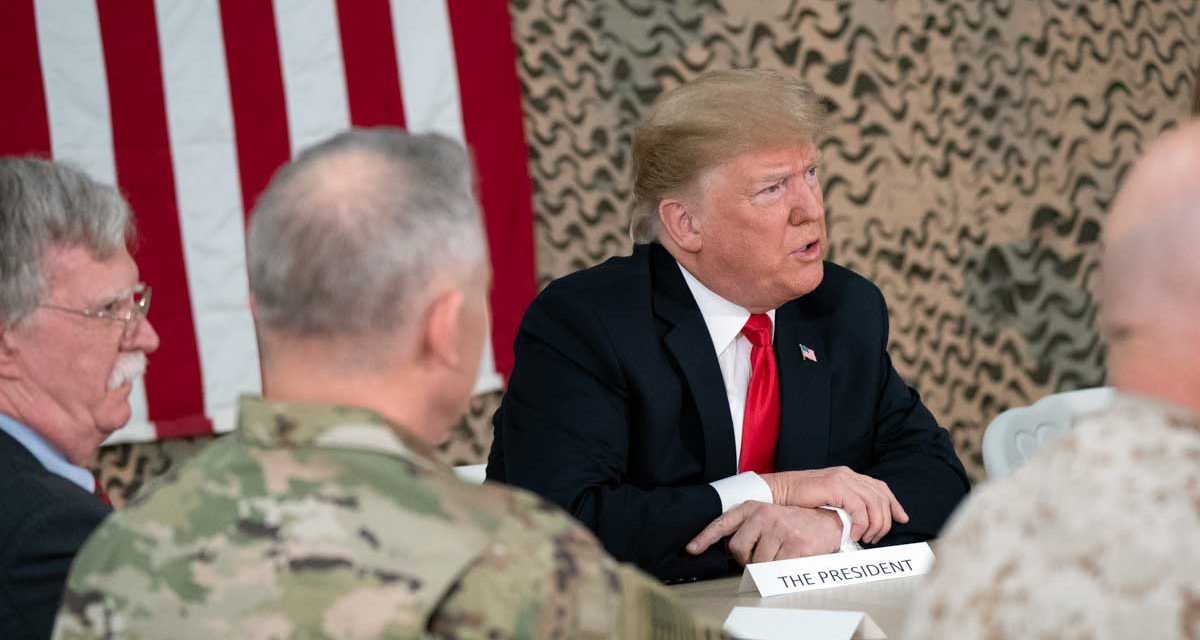
A new approval poll by Congress.net has found President Donald Trump retaining majority backing from his own party, even as the cost of living crisis driven by surging global oil prices emerges as the dominant concern among Republican voters.
The Congress.net poll, which surveyed 1,142 registered Republican voters, recorded a 57 percent approval rating for the president. The result points to a base that remains broadly loyal, but the findings also make clear where patience is wearing thin.
Respondents consistently flagged rising energy prices and the inflation flowing from them as their most pressing concern, outweighing other political and policy issues.
It comes at a difficult moment for the administration on economic grounds. Brent crude has climbed above $107 per barrel following the disruption of oil shipments through the Strait of Hormuz, a waterway that handles more than a third of global seaborne crude trade. Prices at the pump have exceeded four dollars a gallon across much of the United States for the first time in over three years, and the annual inflation rate hit 3.3 percent in March, its highest level since May 2024.
A Fox News poll published this week added further context to the picture, finding Trump’s overall approval at 39 percent nationally, with inflation his weakest issue by some distance. Just 24 percent of all voters approved of his handling of rising prices in that survey.
Republican net approval in Fox News polling has also dropped 24 points from its second term peak, though the party base remains more solidly behind the president than the national figures suggest.
The Congress.net numbers reflect that gap. A 57 percent approval figure among Republican voters is a majority, but the concentration of anxiety around fuel costs and household bills indicates the economic environment is doing real political work within the coalition.
Voter frustration is not abstract. It is showing up at the checkout and the gas station, and Republican respondents made that connection clearly.
With the Strait of Hormuz crisis unresolved and the World Bank projecting a 24 percent rise in energy prices across 2026 as a whole, the pressures captured in the Congress.net survey are unlikely to ease before November. For a party preparing to defend its congressional majority, the mood of its own voters on kitchen table economics will matter as much as any other indicator in the months ahead.
