
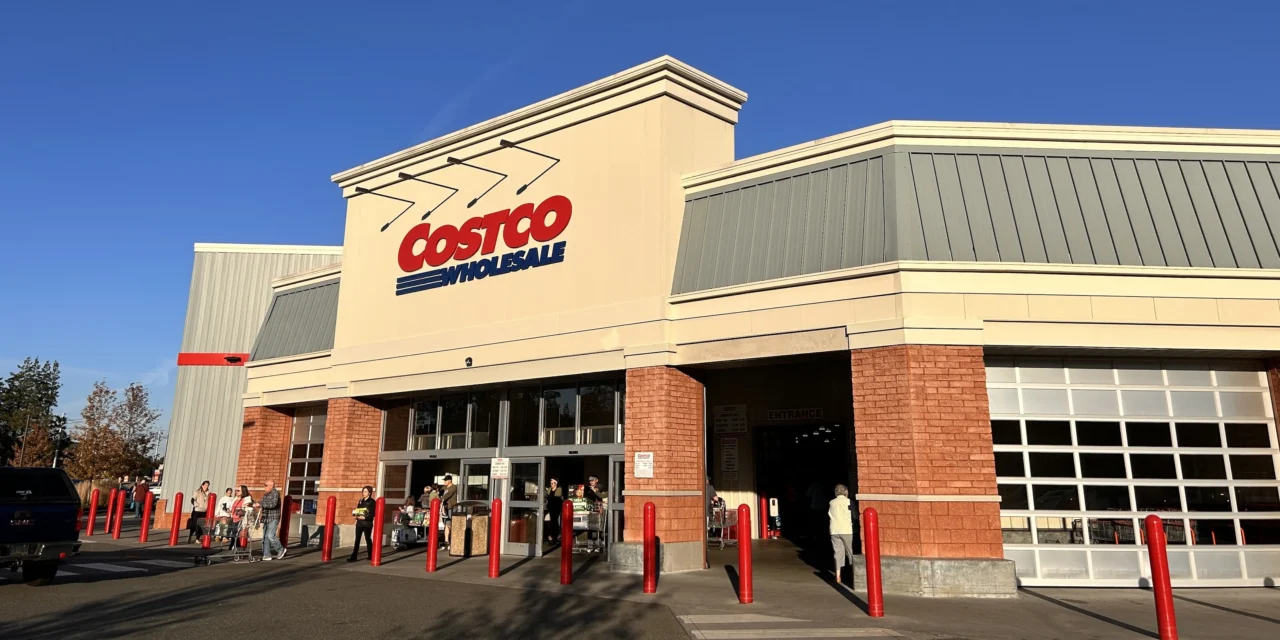
Costco Wholesale (NASDAQ: COST) fell 2.6 percent on Thursday after Kroger announced sweeping price cuts across its stores, spooking investors even though analysts questioned how serious the threat really is.
Kroger chief executive Greg Foran outlined plans to reduce prices across thousands of product categories and add 70 to 80 new store locations in 2027, framing the push as a direct challenge to Costco, Walmart, Amazon, and discount rivals.
The plan was heavy on ambition and light on specifics, offering no concrete pricing targets or timelines that would allow investors to properly assess the competitive threat.
Kroger cited a new Axios poll ranking it as the 27th most trusted company in America, a figure it highlighted in a press release, though the same poll ranked Costco fifth.
The comparison did as much to illustrate Costco’s competitive durability as it did to make a case for Kroger’s momentum.
Costco’s model rests on membership fees, bulk purchasing, and a brand perception that consistently sits at the top of consumer trust rankings, none of which Kroger’s price cuts directly target.
The two chains also compete for overlapping but distinct customer segments, making a direct price war less straightforward than it might appear from the outside.
For investors, the more relevant indicator will be Costco’s own upcoming earnings report, which will show whether rising fuel prices and consumer spending strain are affecting its own numbers.
The pullback on Thursday may reflect broader retail sector caution rather than a genuine reassessment of Costco’s long-term position.
Analysts who cover the stock have not materially changed their views, and the structural case for COST remains intact.
