
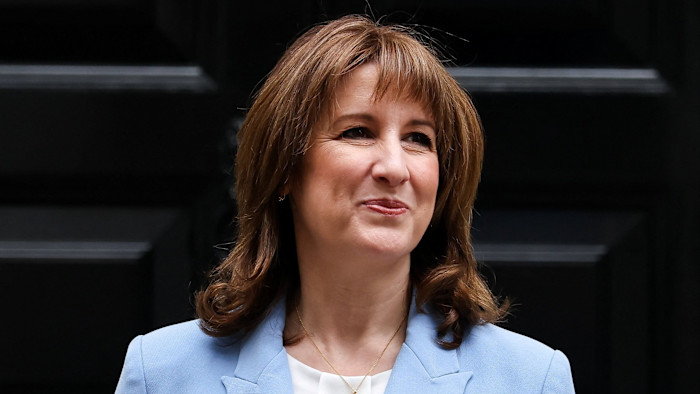
Chancellor Rachel Reeves has confirmed that the Treasury is developing changes to HMRC rules designed to ensure that pensioners whose sole source of income is the state pension will not face an income tax liability, a reform that is becoming increasingly urgent as the triple lock mechanism drives the pension ever closer to the frozen personal allowance threshold.
From April 2026, the full new state pension rose by 4.8% to £241.30 per week, equivalent to £12,547.60 annually, leaving recipients just over £20 below the £12,570 personal allowance, a gap so narrow that the next scheduled triple lock increase will almost certainly push millions of pensioners over the threshold.
HMRC’s director of individuals policy, Cerys McDonald, told the Treasury Committee in January 2026 that between 800,000 and one million pensioners already receive the state pension as their only source of income, a figure that makes the potential scale of the problem significant if no legislative action is taken before the next uplift arrives.
Reeves told the committee that the government is developing a mechanism that would protect those pensioners from receiving an income tax bill, with the new arrangements expected to be operational from April 2027, though the exact design of the system has not yet been published.
McDonald confirmed that fresh primary legislation will be required to implement the change and that HMRC has already mobilised a project team in anticipation of needing to do so, with the expectation that the relevant bill would proceed through Parliament as part of the autumn finance bill later this year.
The protection Reeves is developing would apply specifically to pensioners with no income beyond the state pension, meaning those who receive bank interest above the savings allowance threshold, dividend income, or any form of private or workplace pension would still face income tax liabilities under existing rules.
A key design challenge identified by the Treasury Committee is the need to avoid creating a “cliff edge” in the tax system, where earning even a small amount above the state pension could suddenly trigger a full income tax liability, a perverse outcome that could make small amounts of additional income more expensive for pensioners than going without them.
The triple lock policy guarantees that the state pension rises each year by the highest of 2.5%, average earnings growth, or inflation, meaning the state pension is structurally programmed to exceed the frozen personal allowance within the current Parliament unless either the allowance is raised or a new exemption mechanism is put in place, making Reeves’ proposed HMRC change not simply a near-term fix but a structural necessity under the current policy framework.
