
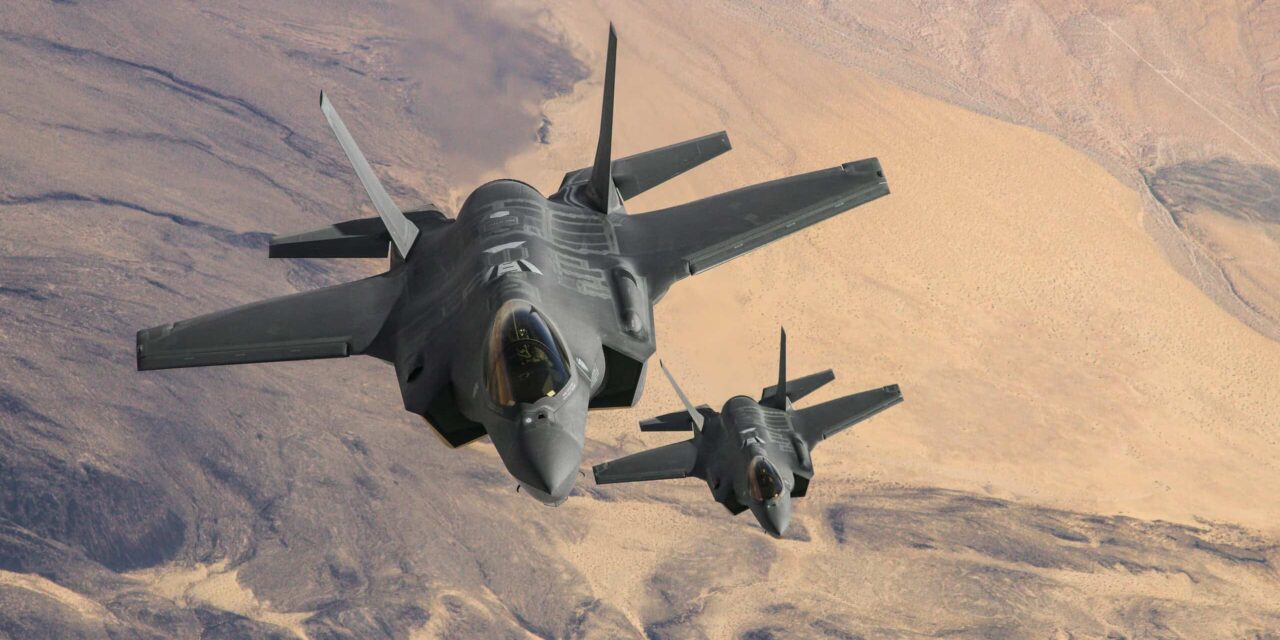
The United States Marine Corps is moving to eliminate all enlisted maintenance roles tied to the F/A-18 Hornet as the service accelerates its full transition to the F-35 Joint Strike Fighter, marking the end of a four-decade chapter in Marine Corps aviation history.
A Marine Administrative Message issued this week confirmed that the Corps will deactivate every remaining Hornet squadron by 2030 and phase out the maintenance specialties that have supported the aircraft since its introduction into Marine service in 1983.
Six enlisted military occupational specialties are affected by the decision, covering mechanic, avionics, and technician roles that have formed the backbone of Hornet operations for generations of Marines.
Personnel currently serving in those positions will be given a choice: retrain for equivalent F-35 roles, transfer into an unrelated specialty, or exit the service when their enlistment contracts expire.
The Corps has made clear that lateral movement into F-35 maintenance positions is strongly preferred. Marines who do not volunteer for a transition could find themselves reassigned based entirely on the needs of the Corps, regardless of how much time remains on their current contracts. For those close to the end of their service, it could effectively represent a career dead end within their chosen field.
The drawdown will be carried out in stages across three installations. Marine Corps Air Station Beaufort in South Carolina is set to cease Hornet operations by August 2028. Marine Corps Air Station Miramar in California follows by August 2029, with Naval Air Station Joint Reserve Base Fort Worth in Texas completing the transition by August 2030. Once each base completes the handover, the associated F/A-18 maintenance roles will be formally abolished.
The Marine Corps has already made significant progress on the broader F-35 transition at other bases domestically and overseas. The service had previously deactivated its dedicated Hornet pilot training squadron back in 2018, signalling the long-term direction of travel well before this week’s formal personnel announcement.
The Hornet has served the Marine Corps across decades of combat operations, including missions over Libya, Iraq, Bosnia, and Afghanistan. Naval Air Systems Command has described the aircraft as the workhorse of Marine Corps tactical aviation, a platform capable of engaging air targets and striking ground positions within the same sortie. It also demonstrated considerable survivability in combat, with aircraft damaged by surface-to-air missiles repaired and returned to operations within days.
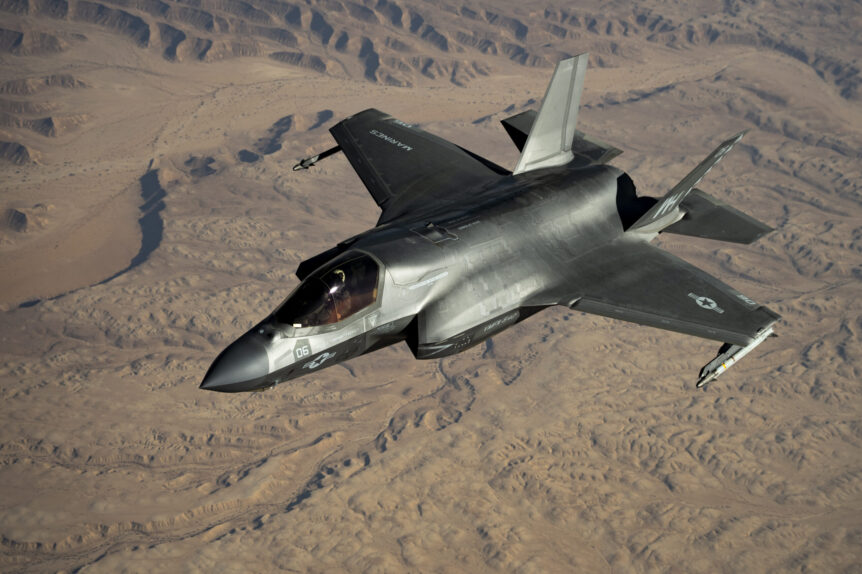
Despite that legacy, the Hornet was designed for an earlier era of warfare. The F-35 brings fifth-generation stealth, advanced sensors, and integrated electronic warfare capabilities that the ageing Hornet cannot match in contested airspace against near-peer adversaries. The shift reflects a broader Pentagon push to field platforms capable of operating against modern air defence systems that would have posed serious challenges to legacy aircraft like the Hornet.
The 2026 Marine Aviation Plan outlines an eventual F-35 fleet of 420 aircraft across the Corps, cementing the stealth jet as the cornerstone of Marine tactical aviation for decades to come. That expansion demands a trained and specialised maintenance workforce, and the retraining pathway being offered to affected Hornet maintainers is designed to channel experienced personnel directly into those billets rather than lose their institutional knowledge entirely.
For the enlisted Marines whose careers have been built around the Hornet, the transition represents both an upheaval and an opportunity. Those who cross-train into F-35 specialties will move into a programme that is only growing in scale and strategic importance. Those who do not may find the Corps has limited use for their existing skills as the last Hornets are retired.
The Hornet era in the Marine Corps is drawing to a close, and the F-35 generation is fully underway.
