
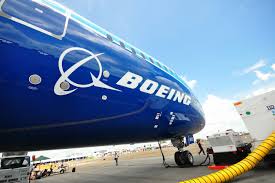
Boeing (NYSE: BA) reported a headline profit for the twelve months to March 2026, a result that sent its share price meaningfully higher, but a closer examination of the numbers reveals that a significant portion of those earnings was driven by unusual items that analysts warn are unlikely to repeat in future periods.
According to analysis published by Simply Wall St, Boeing’s statutory profit was boosted by approximately $9.6 billion in unusual items over the trailing twelve month period, a contribution so large relative to the overall profit figure that it materially flatters the underlying profitability of the business.
Unusual items by definition sit outside the ordinary course of a company’s operations and are generally not expected to recur. When a company’s reported profit is heavily dependent on one-off gains of this magnitude, the risk is that investors mistake a temporary improvement in the income statement for durable operational progress, which can then lead to overpaying for shares relative to the earnings power the business is genuinely capable of generating on a recurring basis.
Boeing’s return to statutory profit, after a period of heavy losses driven by production disruptions, strike action, safety controversies and quality control failures that dominated headlines through 2024 and into 2025, has been welcomed by markets, and the share price response to the recent result reflects that relief.
However, investors focused solely on the profit line without stripping out the unusual items contribution may be drawing conclusions about the company’s recovery trajectory that the underlying numbers do not yet fully support.
Boeing has also accumulated a significant list of structural challenges beyond the accounting considerations. The company is working through a multiyear effort to restore production rates on its 737 MAX and 787 Dreamliner programmes to levels that generate consistent free cash flow, while managing ongoing regulatory scrutiny from the Federal Aviation Administration and navigating customer compensation obligations from aircraft groundings.
Further warning signs identified in financial analysis of the company relate to factors including debt load and operational execution, details that merit examination before drawing conclusions from the recent earnings improvement.
The positive take is that Boeing did generate a profit, however composed, for the first time in several years, and the forward order book for commercial aircraft remains robust given the sustained global demand for air travel. Management has outlined a path to restoring sustainable cash generation as production efficiencies improve.
Whether that recovery is priced appropriately into the current share price depends on how quickly the unusual items contribution fades from the comparison base and whether the underlying earnings power of the business catches up to the level suggested by the recent statutory result.
