
AST SpaceMobile (NASDAQ: ASTS) closed Tuesday April 28 at $71.88, down 6.8% on the session, as investors weighed a regulatory breakthrough against an operational failure in a single week of news that captured almost every dimension of the company’s risk profile.
The stock moved in a range of $71.03 to $76.99 during the session, and the pair of catalysts sitting on either side of the ledger will dominate the company’s Q1 2026 business update call scheduled for May 11.
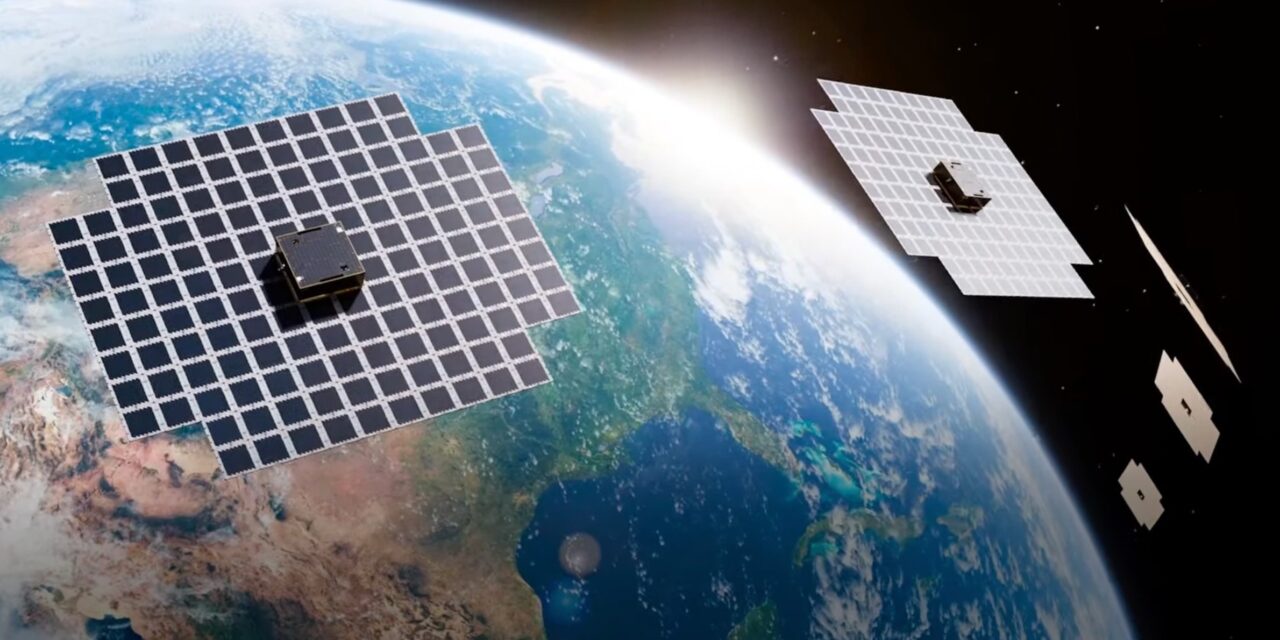
On the positive side, the Federal Communications Commission granted AST SpaceMobile commercial authority to operate a 248-satellite constellation designed to deliver direct-to-device cellular broadband from space. The approval clears the path for standard smartphones to connect directly to AST’s satellites without any specialist hardware, and it confirmed partnerships with AT&T, Verizon, and FirstNet as the terrestrial network partners for the US rollout. CEO Abel Avellan described the FCC decision as moving the company closer to commercial service, with deployment planned across 700 MHz and 800 MHz low-band spectrum in coordination with mobile network operators.
The negative came in the same week. BlueBird 7, the company’s most recently launched satellite, separated from Blue Origin’s New Glenn rocket and powered on successfully, but the upper stage of the rocket failed to place it into a viable long-term orbit. The satellite was effectively lost for operational purposes. The company said insurance should cover the loss and maintained its target of approximately 45 satellites in orbit by year-end 2026, but the incident raised questions about launch cadence at a moment when the satellite count is directly tied to the company’s ability to deliver commercial coverage.
BofA Securities analyst Michael Funk characterised the BlueBird 7 failure as a negative shock while affirming that AST’s business fundamentals remained intact. The same analyst flagged concern over whether the company could hit the 45-satellite target given the setback, a question that investors will expect management to address directly on May 11.
The competitive backdrop is also intensifying. T-Mobile has extended its Starlink partnership to cover business broadband, adding satellite backup to its 5G network offering in a move that targets precisely the connectivity gaps AST is trying to fill. Amazon separately announced plans to acquire Globalstar, a deal that would allow Amazon’s low-Earth-orbit satellite network to incorporate direct-to-device capabilities.
ASTS holds a meaningful regulatory advantage in the US market, and the FCC authorisation represents years of work coming to fruition. But the honest tension for investors is that regulatory permission and physical satellites are not the same thing. A green light from Washington does not place hardware in orbit, and AST still needs to accelerate its launch cadence significantly to make commercial service a near-term reality rather than a multi-year runway.
The May 11 call is the company’s chance to frame the BlueBird 7 loss as a manageable interruption rather than a signal of deeper execution risk. Investors will be listening for specifics on the insurance timeline, the next launch schedule, carrier integration progress, and any updated commentary on when the service can generate meaningful revenue.
