
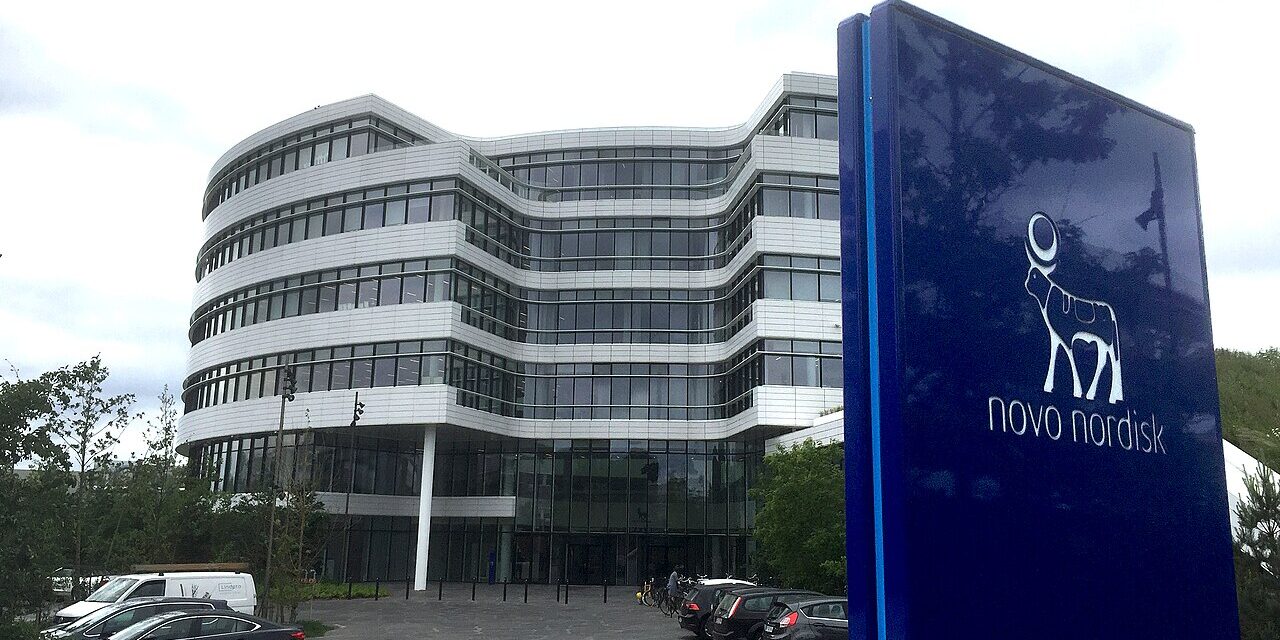
Novo Nordisk (NYSE: NVO) closed at $39.42 on April 22, reflecting a stock that has shed more than half its value from its all-time high of $137.40 reached in June 2024 and continues to find a floor amid questions about the long-term competitive dynamics of the GLP-1 obesity drug market.
The company disclosed positive topline results from the HIBISCUS trial of once-daily oral Etavopivat in adults and adolescents with sickle cell disease on April 23, confirming that the drug met its co-primary endpoints, a result that the company said will support a regulatory filing planned for late 2026.
Sickle cell disease affects approximately 100,000 Americans and millions globally, representing a meaningful addressable market that sits entirely outside Novo Nordisk’s established diabetes and obesity franchise, making Etavopivat strategically important as a demonstration that the company can develop genuinely differentiated therapies beyond semaglutide.
Shares of Agios Pharmaceuticals fell sharply on the same news, as Agios had been developing a rival sickle cell treatment whose commercial prospects were directly affected by Novo Nordisk’s competitive clinical success in the same patient population.
Amazon’s announcement this week that it would enter the GLP-1 weight-loss drug market through a new direct-to-consumer programme sent shares of both NVO and Eli Lilly lower on Tuesday, with the market pricing in additional pricing pressure on Wegovy and similar medications from a distribution channel that can move large patient volumes rapidly.
Novo Nordisk’s full-year 2026 guidance projects adjusted sales growth of between negative 5 percent and negative 13 percent at constant exchange rates, a notably wide and negative range reflecting pricing headwinds from Medicare Part D negotiations, restructuring costs of approximately 8 billion Danish kroner, and uncertainty around the competitive trajectory of the obesity market.
The company maintains approximately 62 percent market share in the GLP-1 category and has launched Wegovy in pill form in the US, with early uptake described as promising, though the oral version faces a higher bar for market acceptance given the established injectable formulations that patients are already familiar with.
GoodRx expanded access to Wegovy HD, a higher-dose semaglutide formulation, for self-pay patients this week, a move that partly offsets the Amazon headwind by ensuring patients with price sensitivity can access the product through an established discount pharmaceutical network.
At a price-to-earnings ratio of approximately 11 times, NVO trades at a fraction of the multiples commanded by US pharmaceutical peers and well below the 30-plus times ratios that characterised the stock during the peak obesity drug enthusiasm of 2023 and 2024, a compression that reflects both earnings deceleration and competitive risk being repriced by the market.
The company’s next earnings report is due May 6, and investors will be watching closely for any update on Wegovy volume trends, pricing dynamics under the new Medicare framework, and whether the Etavopivat regulatory pathway accelerates in a way that provides a new commercial growth narrative to offset the pressure on the core obesity franchise.
