
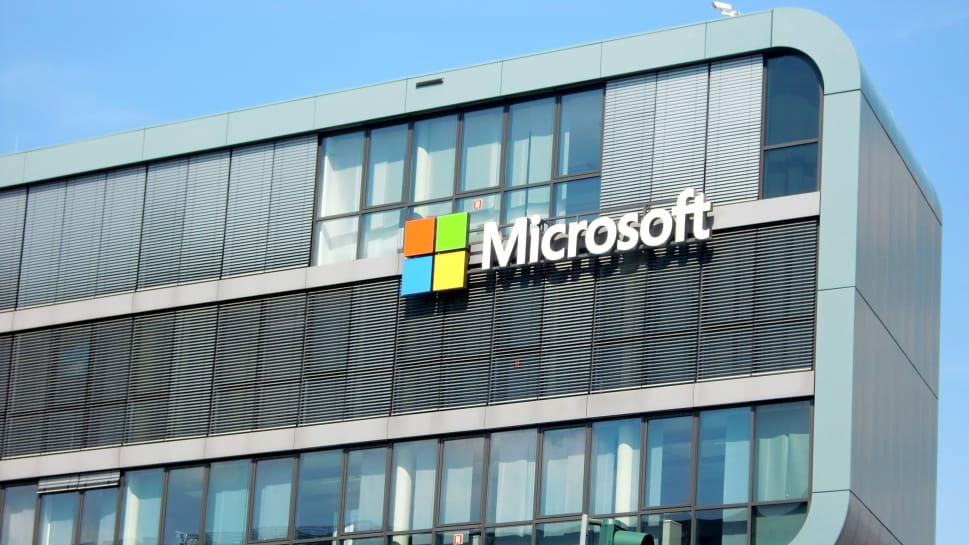
Microsoft (NASDAQ: MSFT) shares closed at $425.69 on April 22, trading within a range of $417.24 to $427.18 as the stock continued recovering from the lows of a multi-month correction that saw it fall nearly 22 percent from its all-time high of $555.45 set in October 2025, with volume of approximately 32 million shares coming in below the 35.98 million daily average.
The discount to historical valuation metrics has drawn renewed attention from institutional buyers in recent weeks, with Microsoft currently trading at a price-to-earnings ratio of approximately 26 times trailing earnings against a five-year average of 32.9 times, a premium compression that analysts across the buy and sell side describe as unjustified given the company’s earnings and cloud growth trajectory.
Azure revenue has grown at a minimum of 39 percent year-on-year in each of the first two quarters of Microsoft’s fiscal 2026, making it the company’s fastest-growing segment by a significant margin, and the primary bottleneck to faster growth is the company’s ability to build sufficient data centre capacity to meet contracted demand rather than any shortfall in customer intent.
The company’s order backlog stood at $625 billion as of December 31, a figure that provides extraordinary revenue visibility but also created market uncertainty when OpenAI announced in February that it was reducing its projected computing spend across all providers from $1.4 trillion to $600 billion through 2030.
Microsoft is expected to address the OpenAI backlog question directly during its April 29 earnings call, and the market broadly anticipates some downward revision to the backlog figure, with investors watching whether the recalibration is managed in a way that preserves confidence in the underlying Azure growth story.
The Copilot virtual assistant and agentic AI products have been described by Microsoft management as the company’s most significant product opportunities, positioning MSFT not just as an infrastructure provider but as the backbone of an emerging agentic AI internet where enterprises route workflows through Microsoft’s productivity stack.
TipRanks noted this week that Microsoft’s positioning as a would-be backbone of the agentic AI internet generated fresh analyst commentary describing the strategy as one that could create compounding switching costs beyond what even Azure’s cloud lock-in already provides.
Xbox also cut Game Pass Ultimate prices this week, dropping the subscription from $29.99 to $22.99 per month in a move that reflects the new Xbox leadership’s stated intention to rebuild the gaming service’s value proposition, an initiative separate from the cloud AI story but adding to the sense of strategic momentum across Microsoft’s consumer and enterprise businesses.
The company’s market capitalisation of approximately $3.15 trillion makes it among the largest public companies in the world by that metric, a position it has historically traded alongside its closest technology sector peers throughout the past several years as the sector commanded an ever-larger share of global equity market value.
At current levels, investors buying Microsoft ahead of the April 29 earnings report are essentially making a bet that the company can simultaneously reassure on the OpenAI backlog question, demonstrate continued Azure growth acceleration, and show Copilot adoption metrics that validate the premium multiple the stock historically commands.
